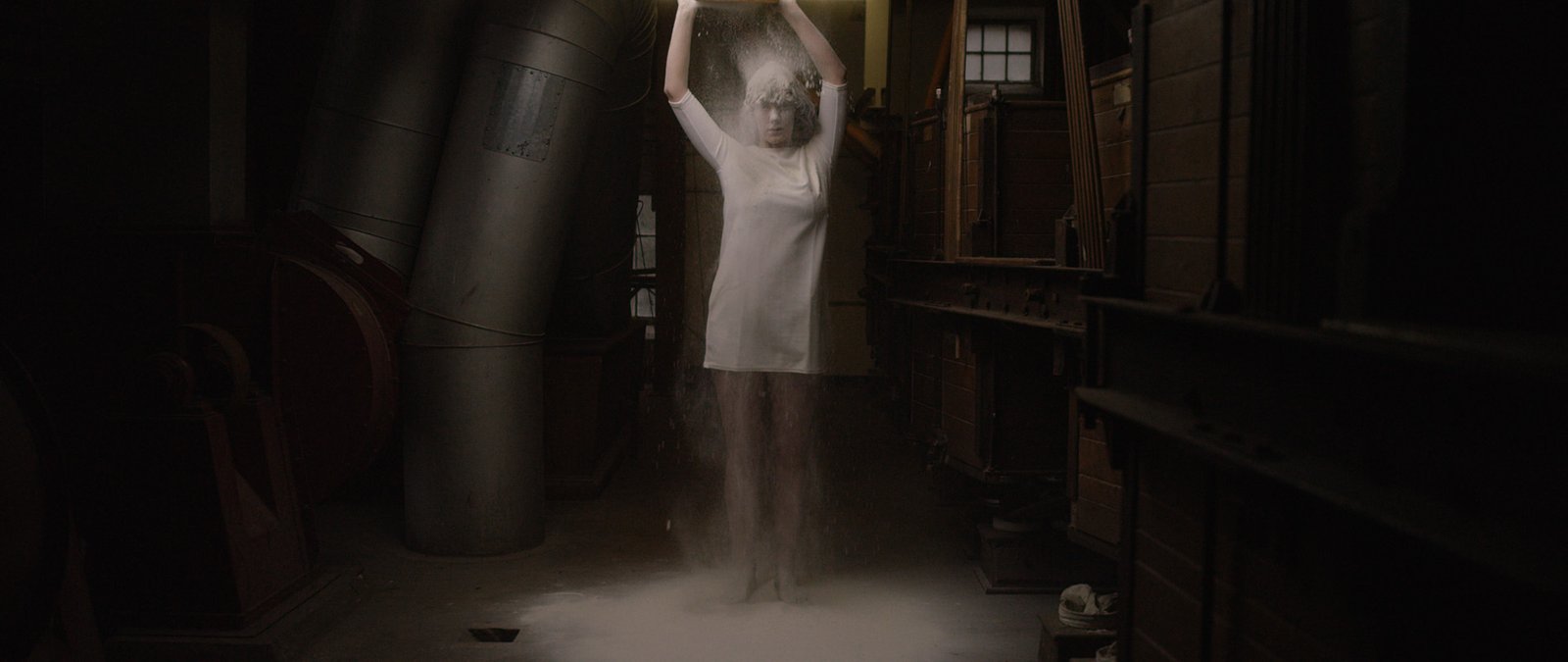
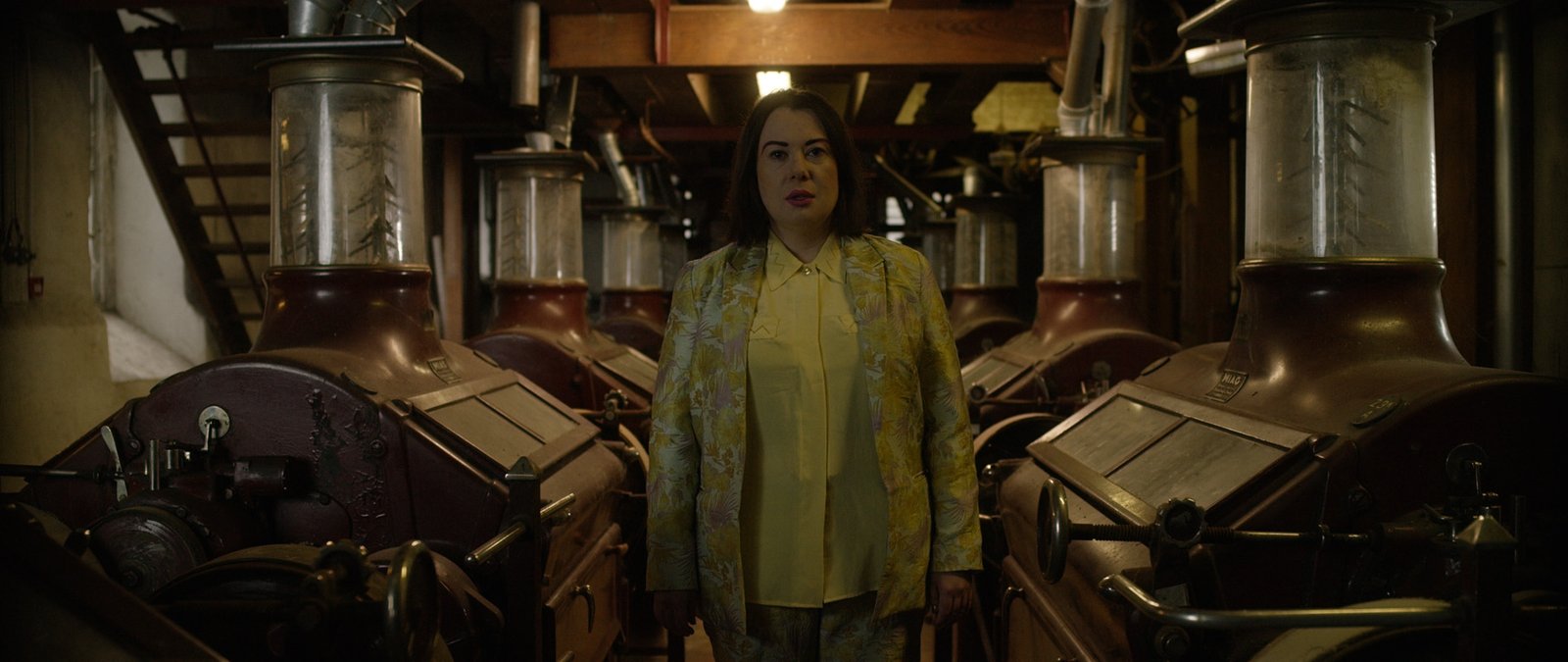
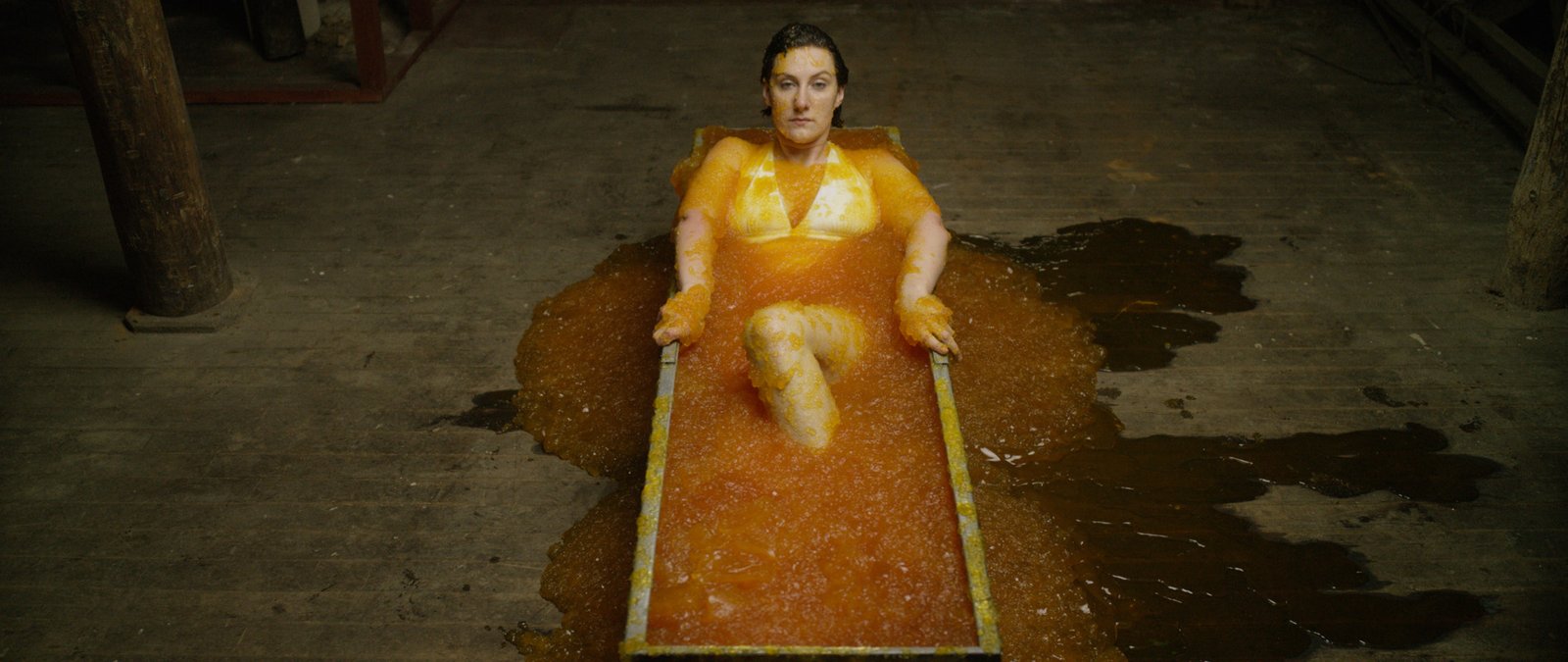
A Numbness in the Mouth was made as part of a Sky Arts Scholarship, and was shown in solo exhibitions at Block 336, London, curated by Kathleen Soriano, Millennium Court Arts Centre, Northern Ireland and the Linenhall Arts Centre, and a public art exhibition in the main subway station in Sapporo, Japan. Film festivals and screenings include the 10th Imagine Science Film Festival, New York, Urban Nomad Film Festival, Taiwan and Cork Film Festival.
Block 336, London
Curated by Kathleen Soriano. 11-12.2017.
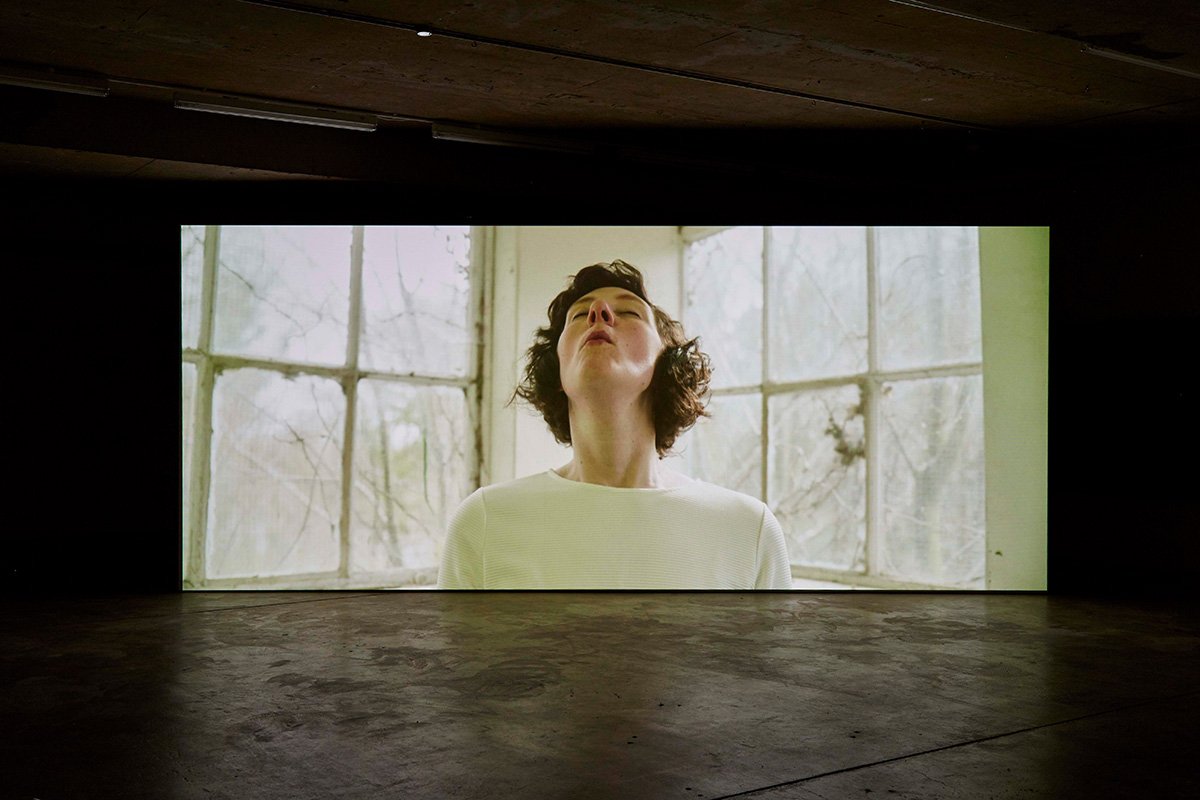
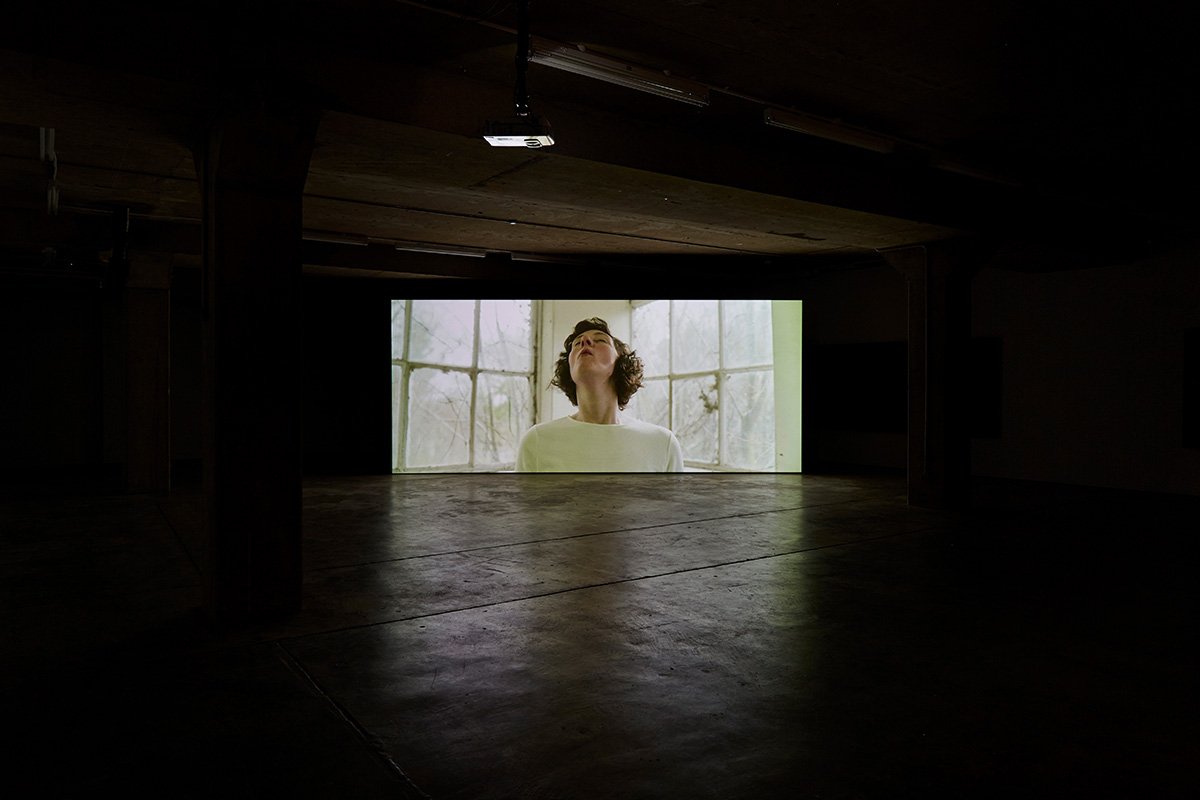
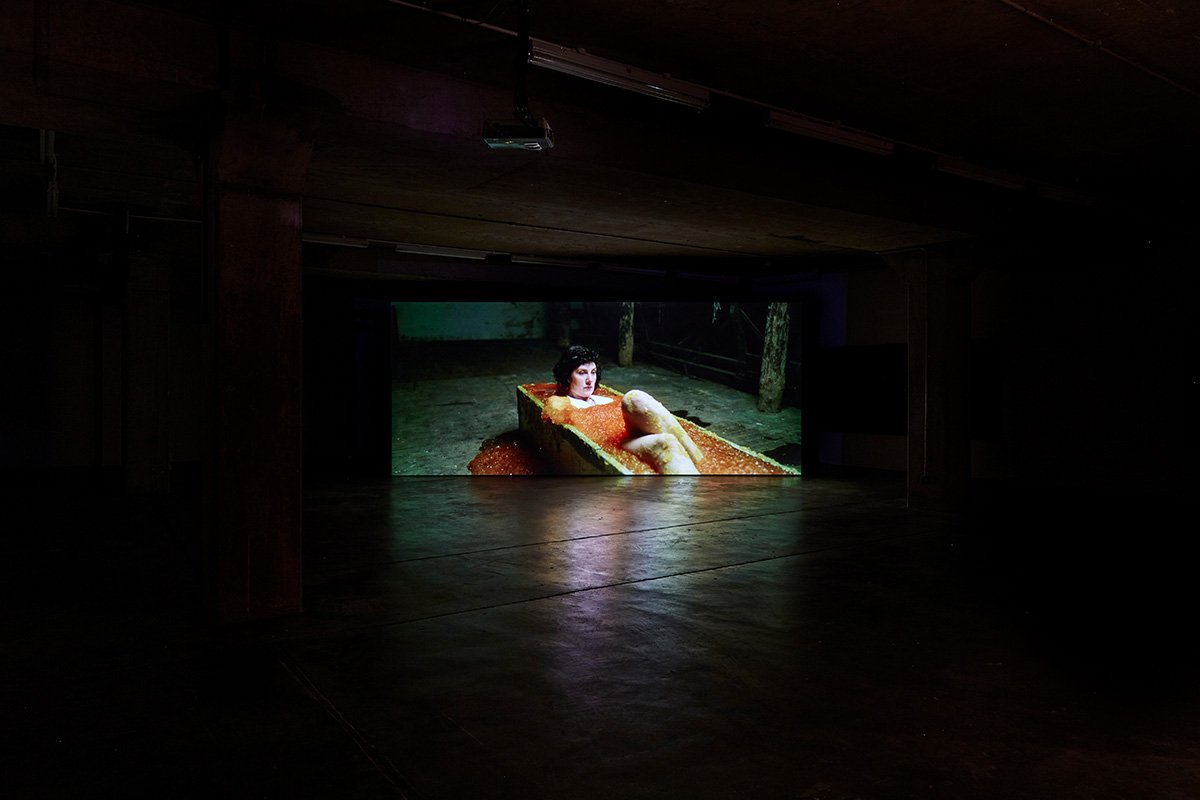
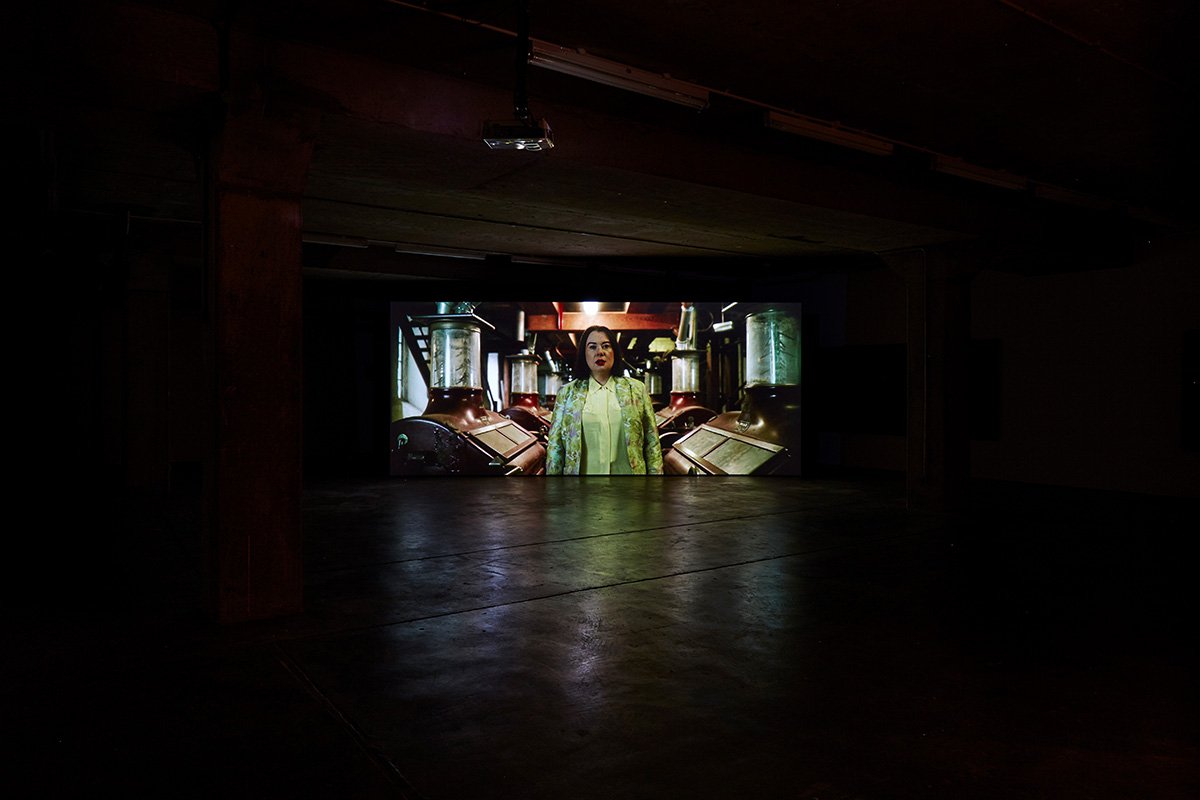
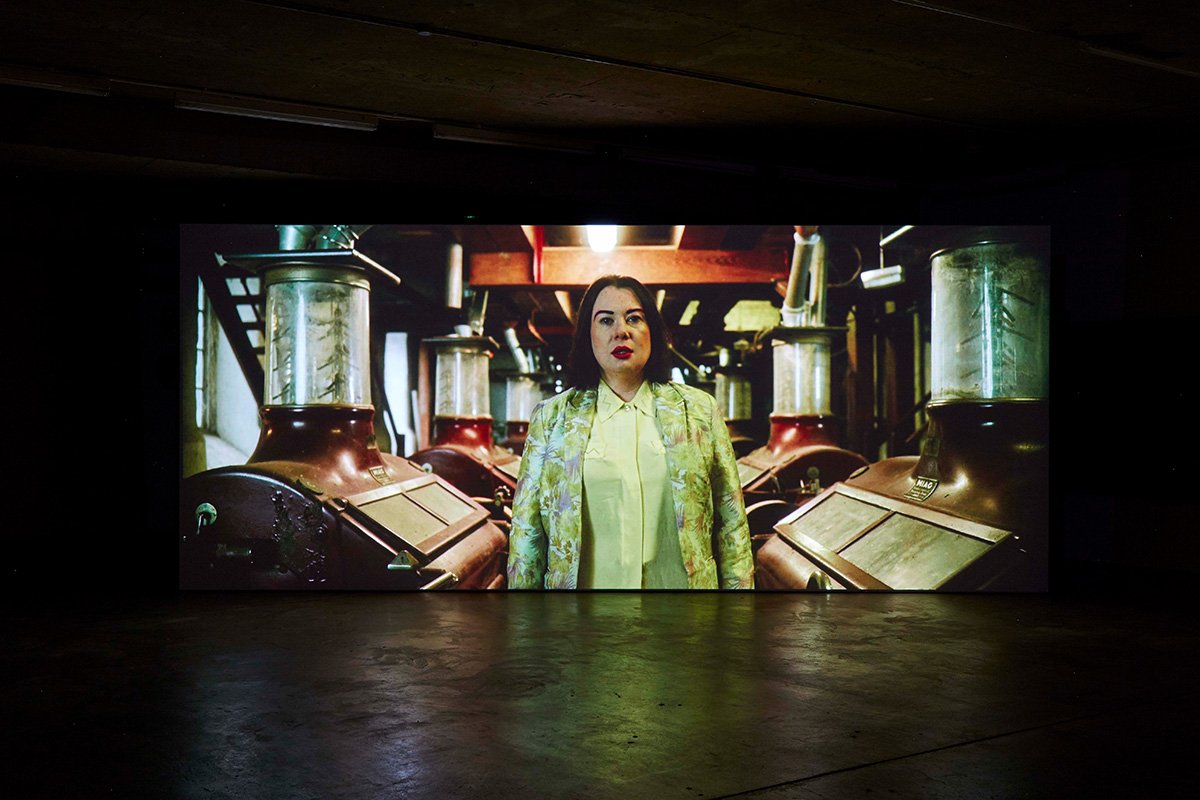
Film, 4K, 17mins
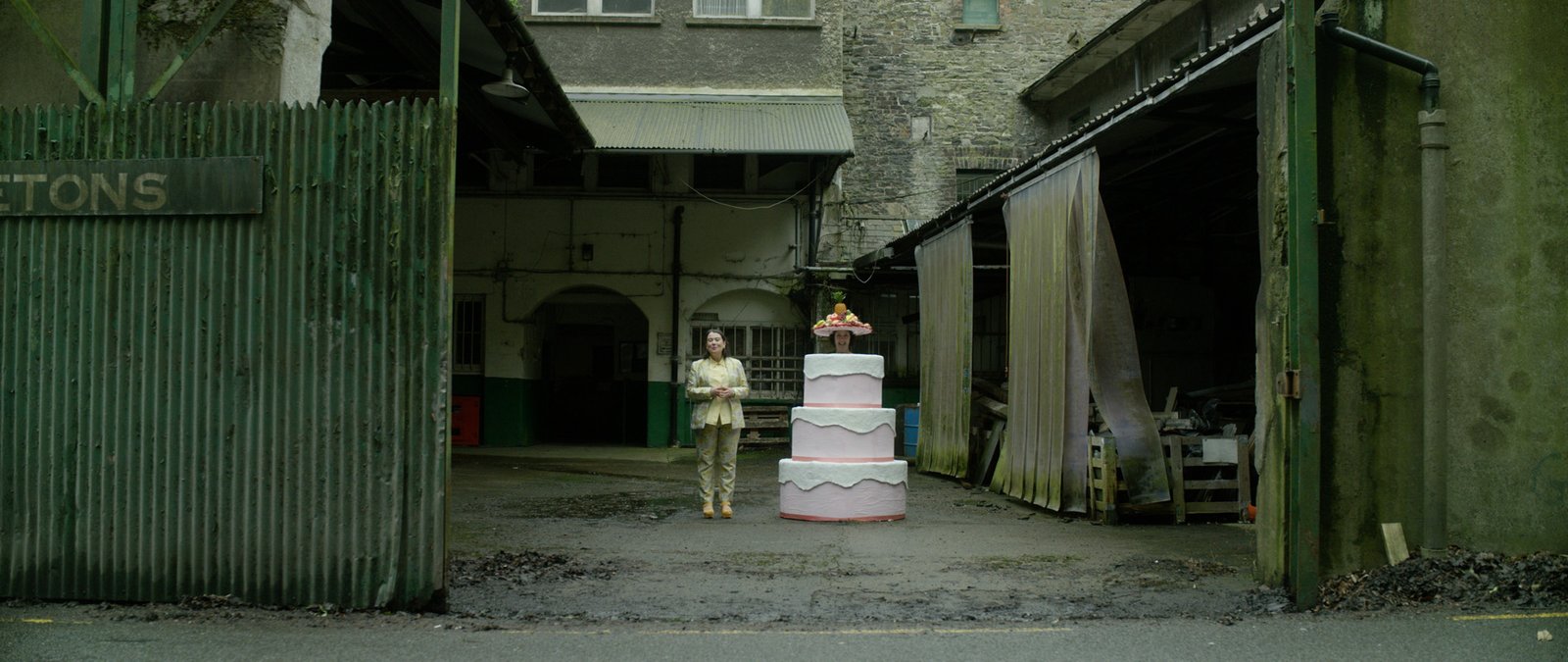
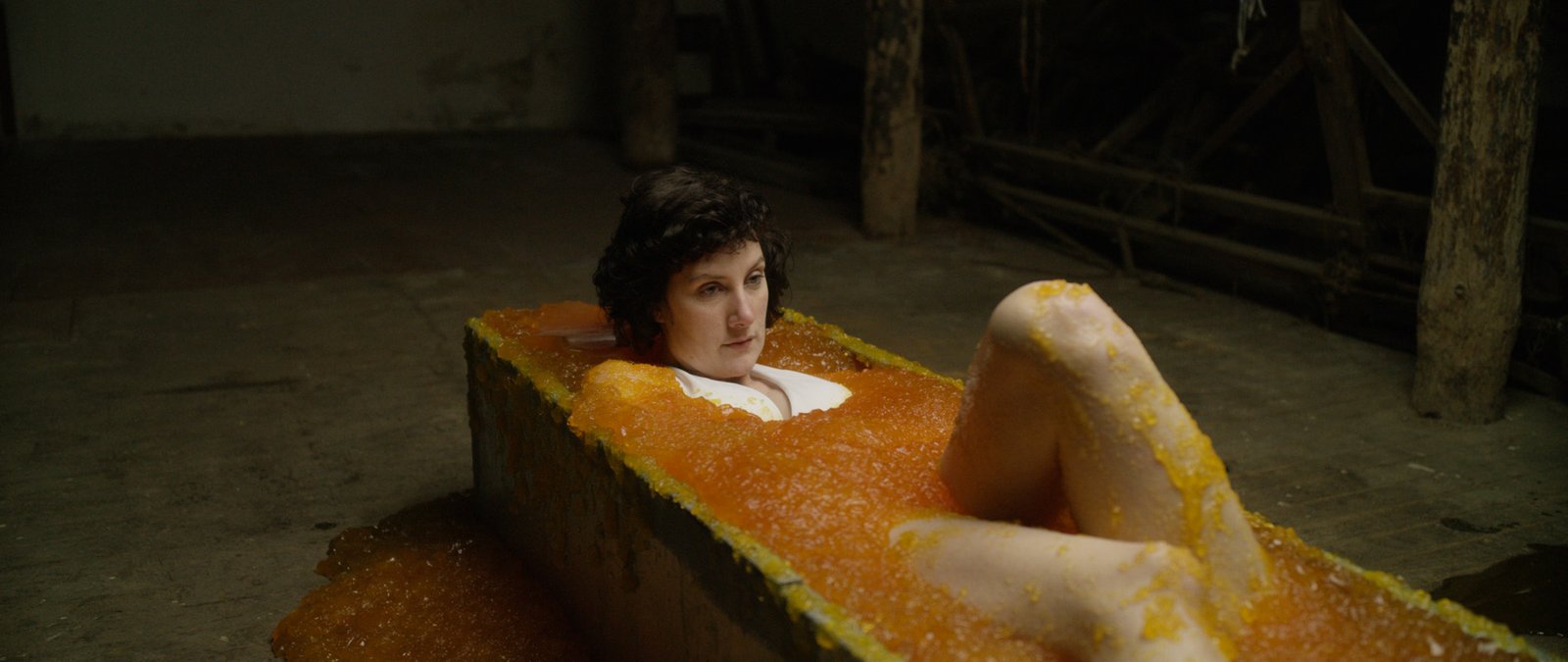
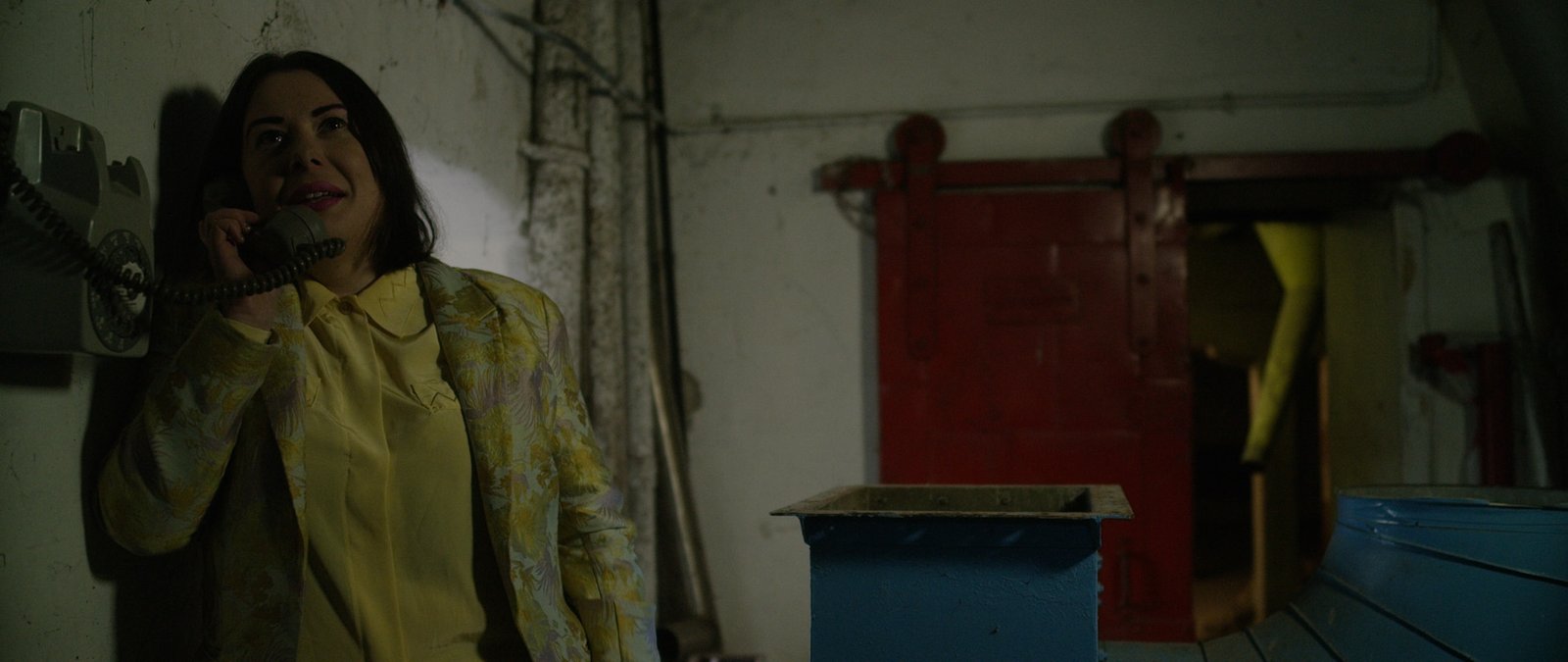
A Numbness in the Mouth (Irish with English subtitles) takes place in an Ireland of the near-future; a self-sustaining, militarized island where climate change has benefited agricultural production. A spokesperson for the government’s Ministry of Food- speaking in the Irish language- informs us that rations are being enforced. Due to a record crop yield of wheat there is a surplus of flour on the market. To retain economic balance between supply and demand, each citizen is requested to consume more than five pounds of flour per day. Following this governmental ruling on consumption, the film moves to a worker in the mill who is sifting flour onto her own head as the mill’s machines swing around her. Later she bathes in a vat of orange jelly, while reflecting on how food affects her temperament.
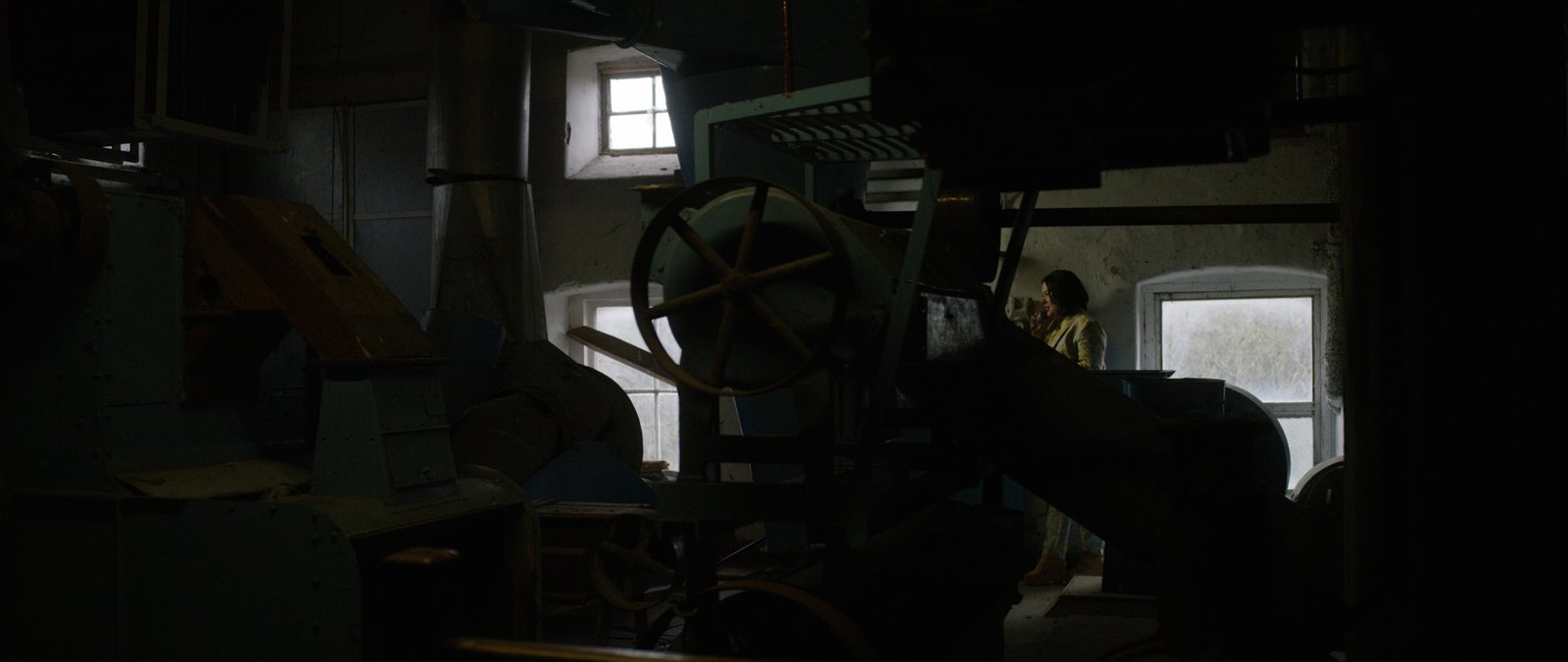
Shackleton’s Mill in Strawberry Beds, Dublin, provides the context for the film’s two protagonists to explore the role of women in the mill, alongside our relationship to food and its production in a series of staged scenes, monologues and analogies. The River Liffey flows below the mill (previously powering it), with the mill producing flour for nearly 200 years until it ceased operation in 1998. Milling is thought to have operated here since the 12th century. Workers in the mill were mostly men, with women working in the laboratory where the freshly produced flour would be tested and baked.
Shackleton’s Mill was the first place to lock out its workers in 1913. During 1916 it broke the Belfast boycott to acquire their order of white flour sacks. As a result, the mill was held up by the Irish Citizen Army- armed with bombs and guns- and the flour sacks were set on fire in the front yard of the mill. The mill was recommissioned for filming, with grain running through the chutes and rollers. The soundtrack of the film has been built from sounds recorded solely in the mill, and interpolated into the film is a 35mm technicolor infomercial for bread, created in the 1950s, which was found in the mill upon its closure.
Millennium Court Arts Centre
12.2016-02.2017
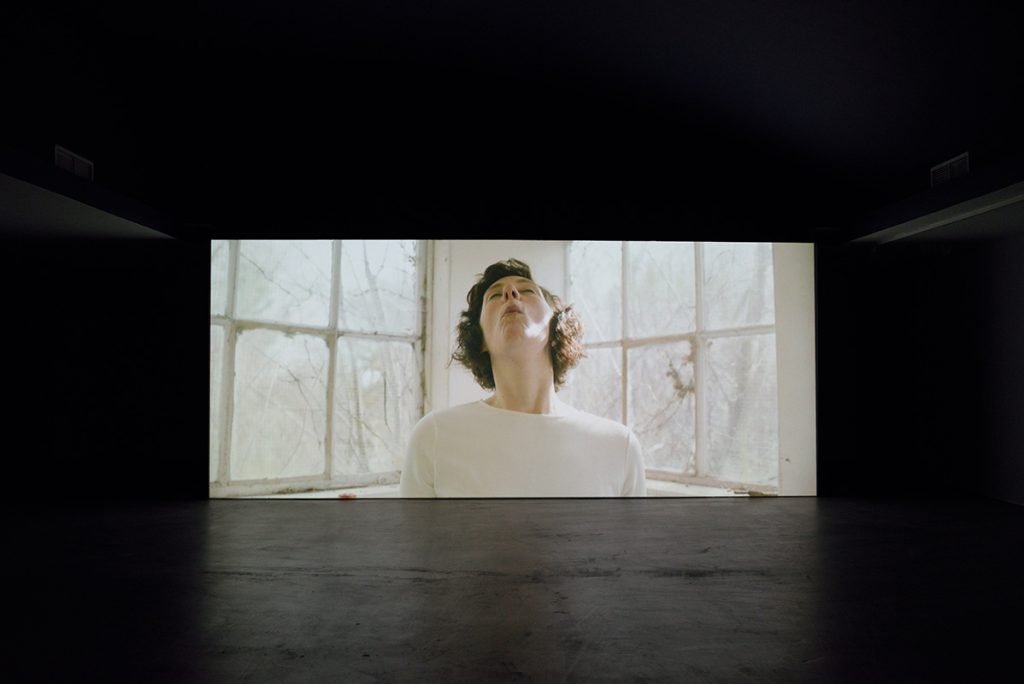
Linenhall Arts Centre
07.2016-08.2017
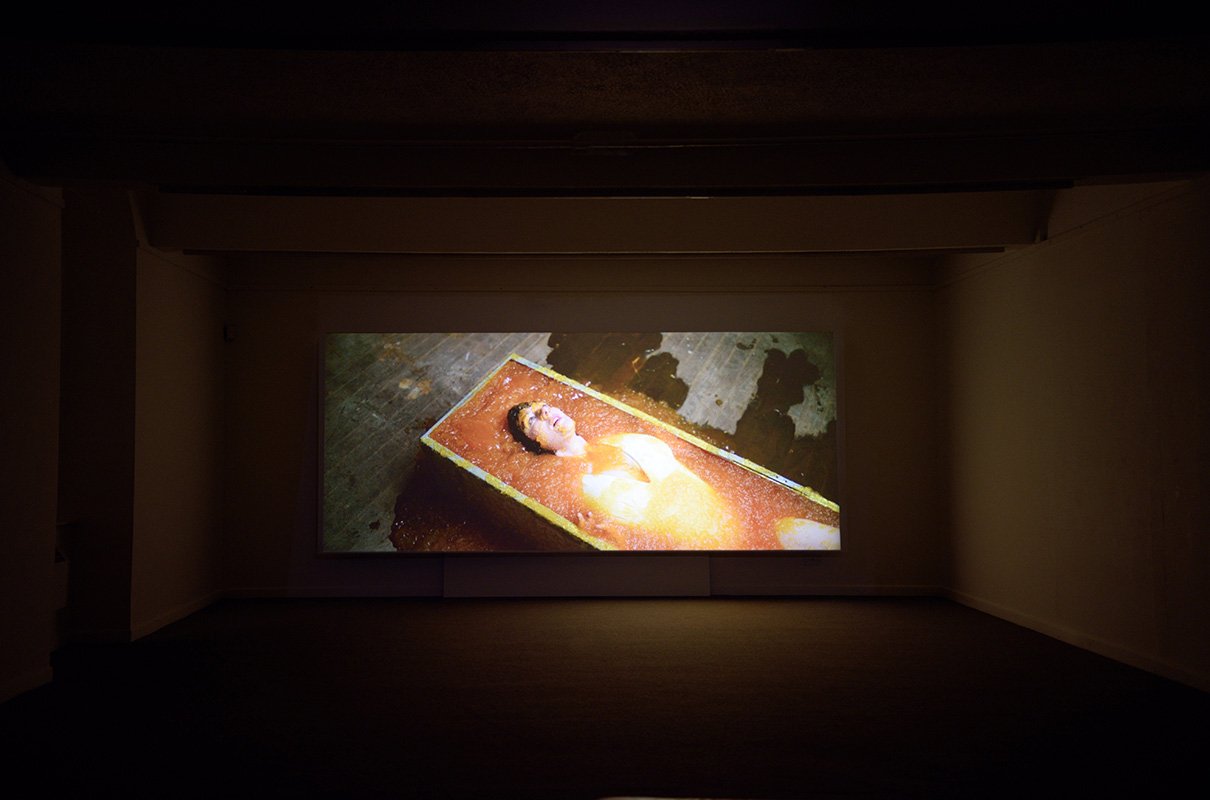
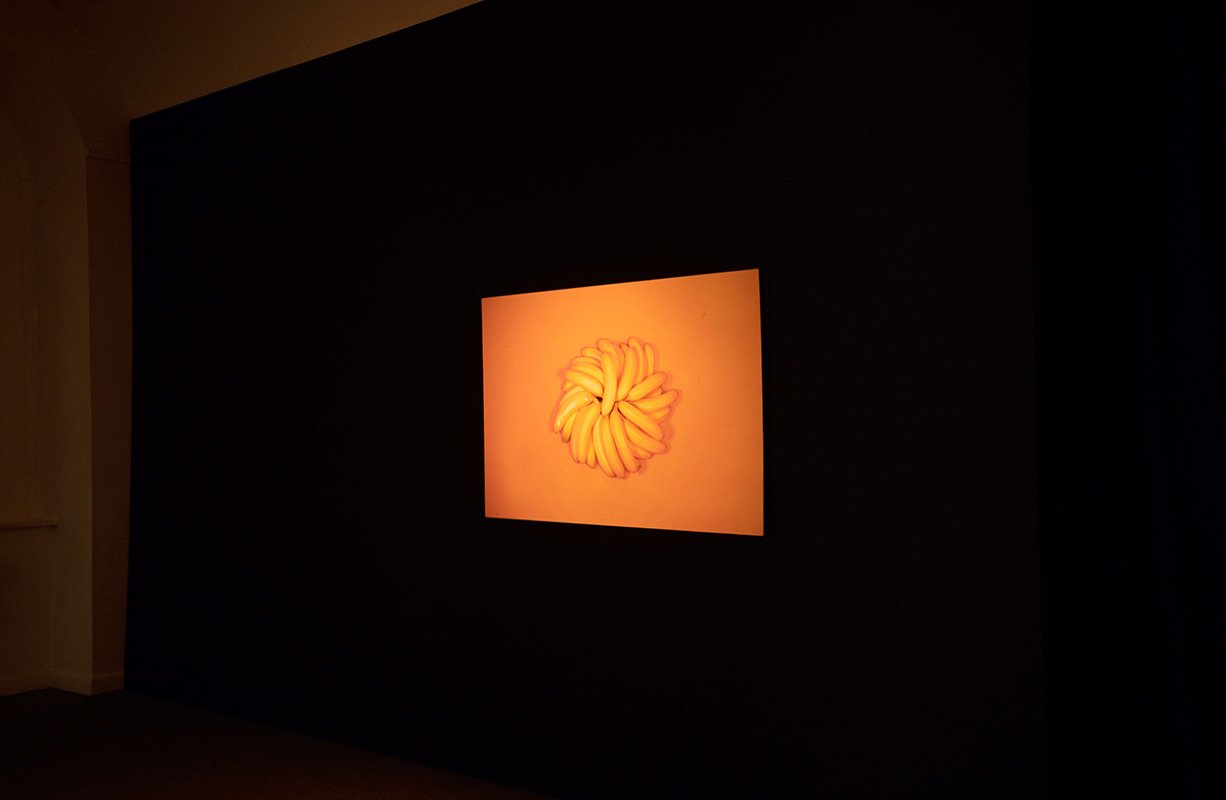
CCA Derry-Londonderry
Haerfest, 08.2019-10.2019
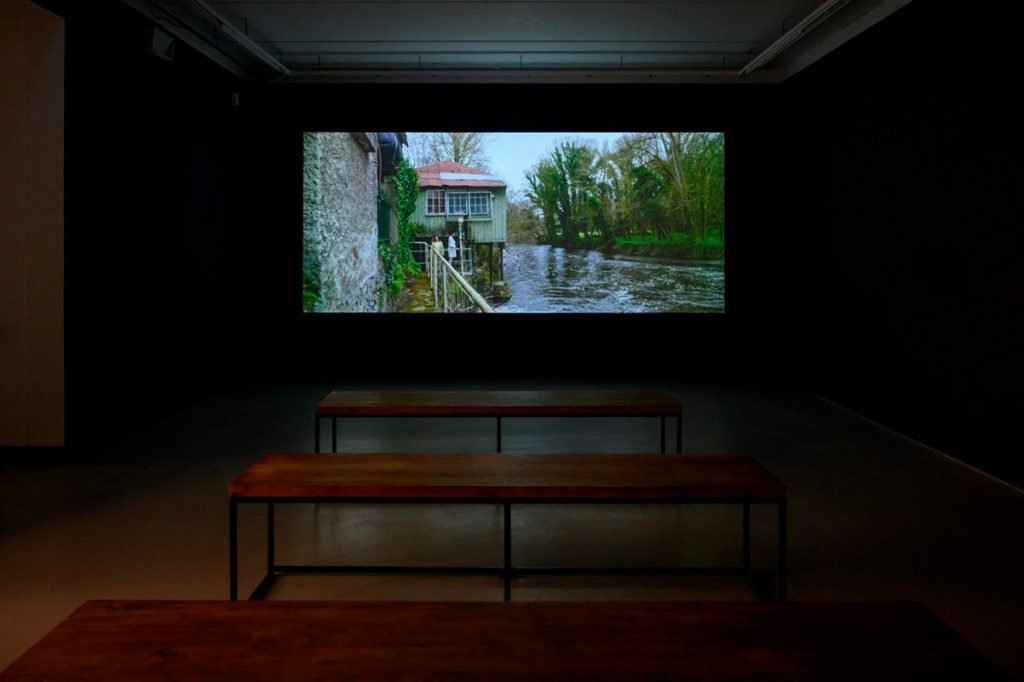
VISUAL Carlow
Artworks, selected by Eoin Dara, 2017
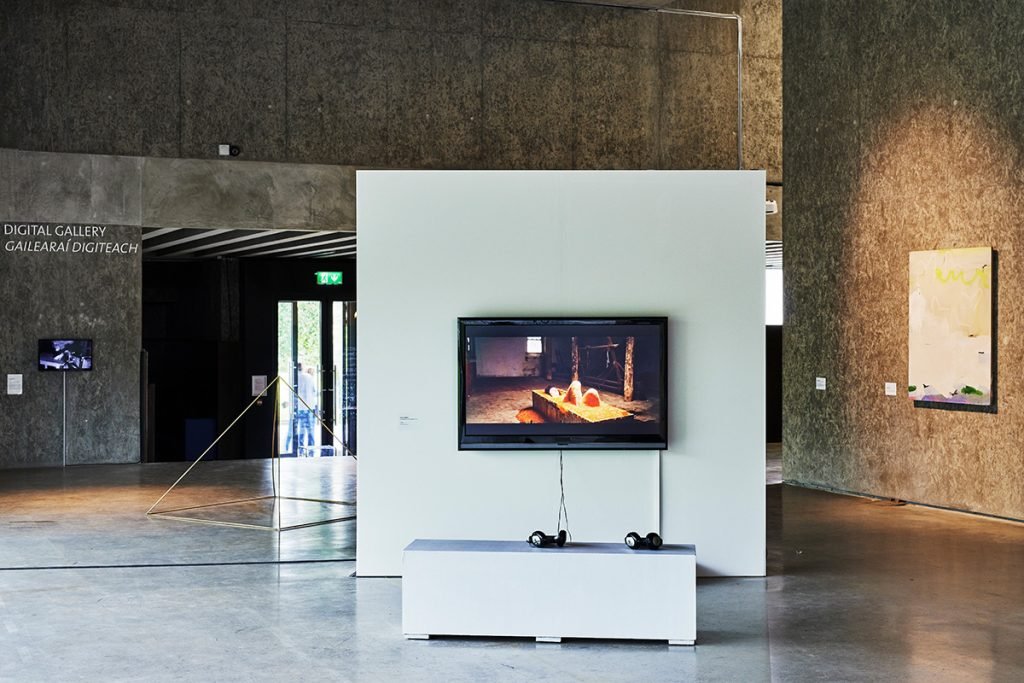
[The characters] meditate on ways of transcending the self, transforming into another being or being entirely consumed and absorbed. A 1950s advertisement for bread, found at the mill, is interspersed throughout. Gaffney is at home in the media world of reality TV, gameshows, music videos and social media. He gets the tawdry carnivalesque of the propagandist broadcast, and then, even more so, the contrasting, subjective musings of the two women.
Aidan Dunne, Review of the Linenhall Arts Centre, Irish Times, 2016
Two performers, both women, front a frenetic TV show designed to promote appropriate consumption […]. But off camera they drift into personal reveries, as the setting and the materials stimulate their inner lives and sensibilities. The unresolved contrast between two idioms, the brash, pop culture game show and dreamy introspection, is characteristic of Gaffney’s work as a whole.
Aidan Dunne, Review of ‘Futures’ at the RHA, Irish Times, 2016
Supported by the Sky Academy Arts Scholarship, Arts Council of Ireland Film Project Award and Fingal County Council.