Strange lands still bear common ground, TULCA 2025
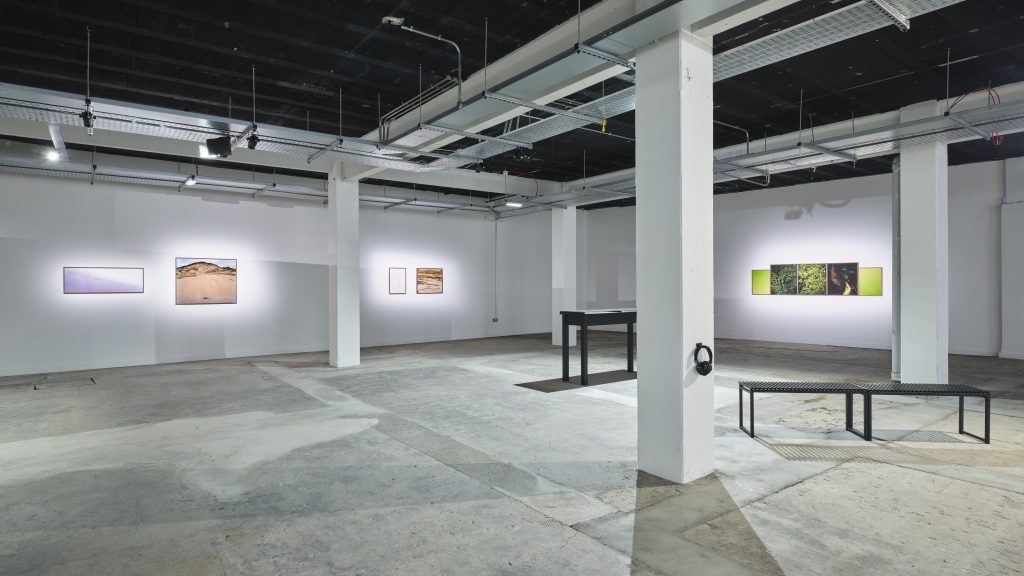
TULCA Festival of Visual Arts is pleased to announce the contributors to its 23rd edition, Strange lands still bear common ground, curated by Beulah Ezeugo.
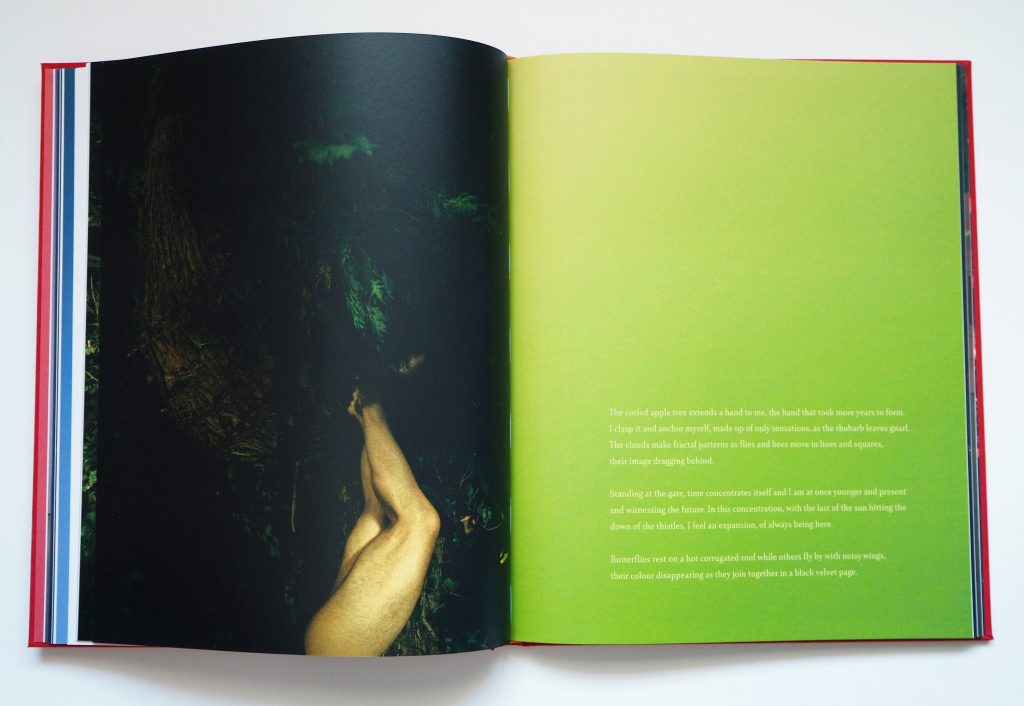
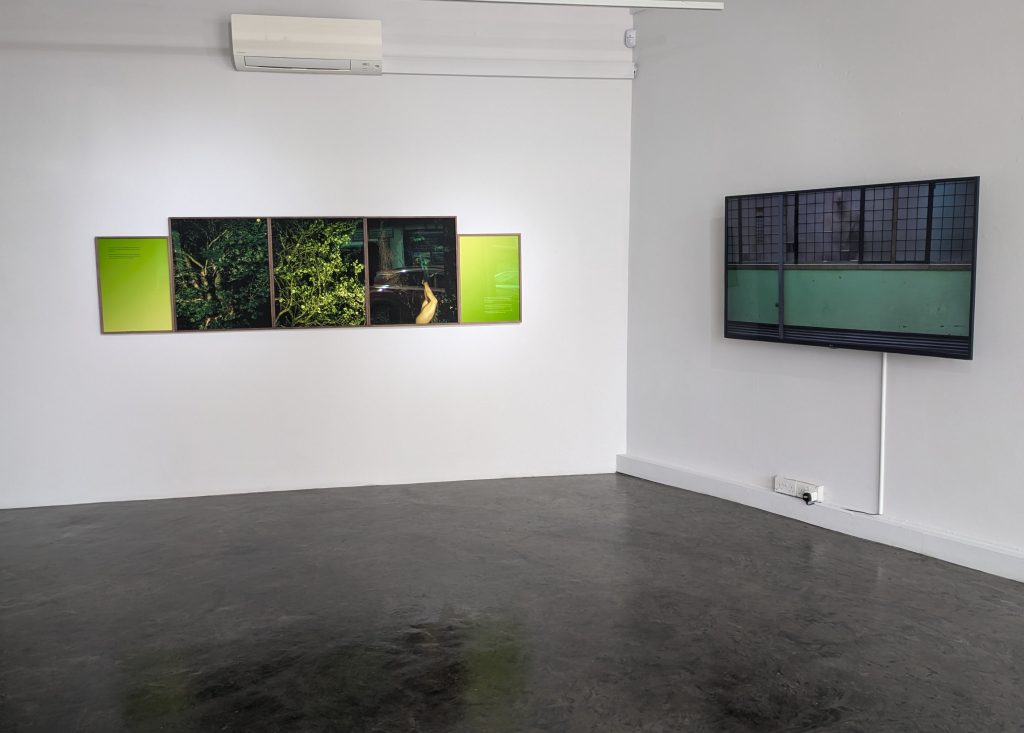
“The works on view are drawn from All at Once Collapsing Together, a series of medium-format photographs that act as mirrors to the healing that the natural environment can offer. Text fragments, infused with climate anxiety, interrupt and reframe these scenes as fleeting and fragile. The series poses questions from an unnamed protagonist who considers the potential of the natural world as a site for recovery from trauma. Strands of queer thought are threaded through the series, unsettling conventions of nature writing and intertwining with fantasies of destruction and transformation. Together, these elements invite reflection on the traces we leave on the earth, and on the porous boundaries between body, environment, and disintegration.”- TULCA.
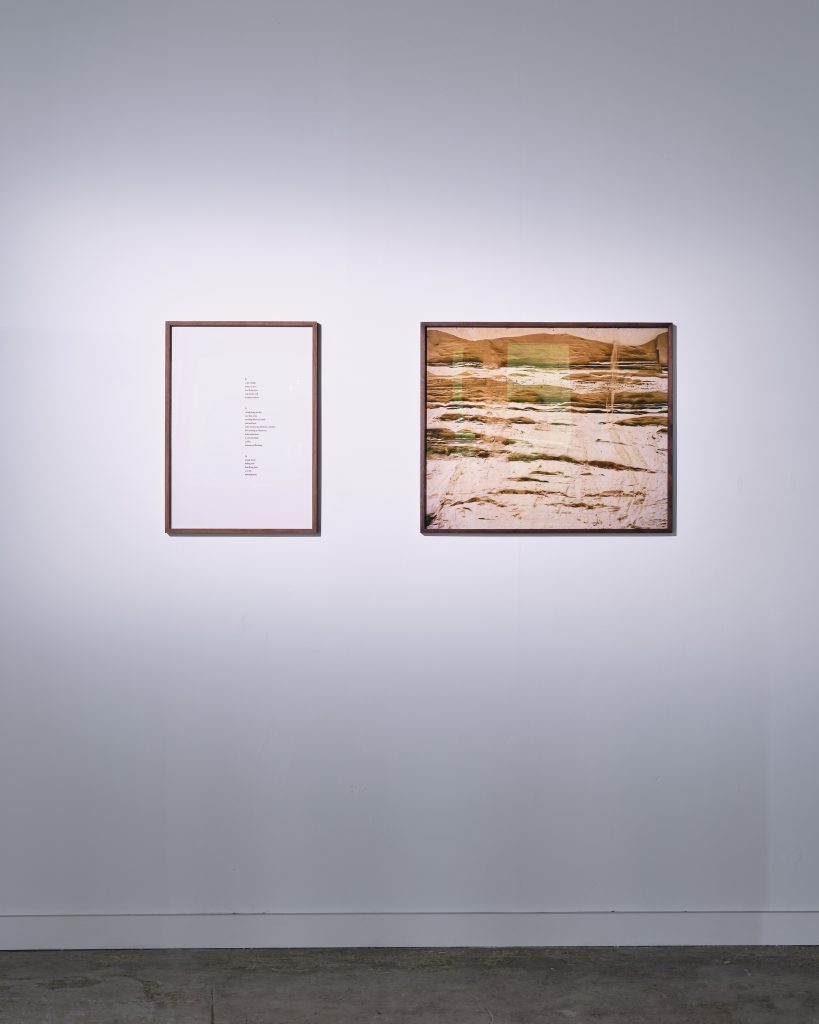
Beulah Ezeugo: ‘This year, TULCA engages artists whose practices move across personal, physical, and psychic boundaries. Much of the work documents situated encounters with land, the sea, the creature, the stranger, the here and the elsewhere. The programme aims to create space to reconsider inherited structures of power, drawing attention to the residues that surface at points of intense contact and to the possibilities that arise when conventional ways of separating and categorising are unsettled.’
Festival dates: 7-23 November 2025. TULCA Gallery, Hynes Building, St Augustine Street, Galway, H91 R6WF.
Caoimhín’s film All at Once Collapsing Together will also be screened on 15th & 16th November as Presented as part of a satellite installation and event series, The Longest Shadow Ever Cast at 334 Broome Street, New York . More info.
Deep Focus screening at Goldsmiths Cinema
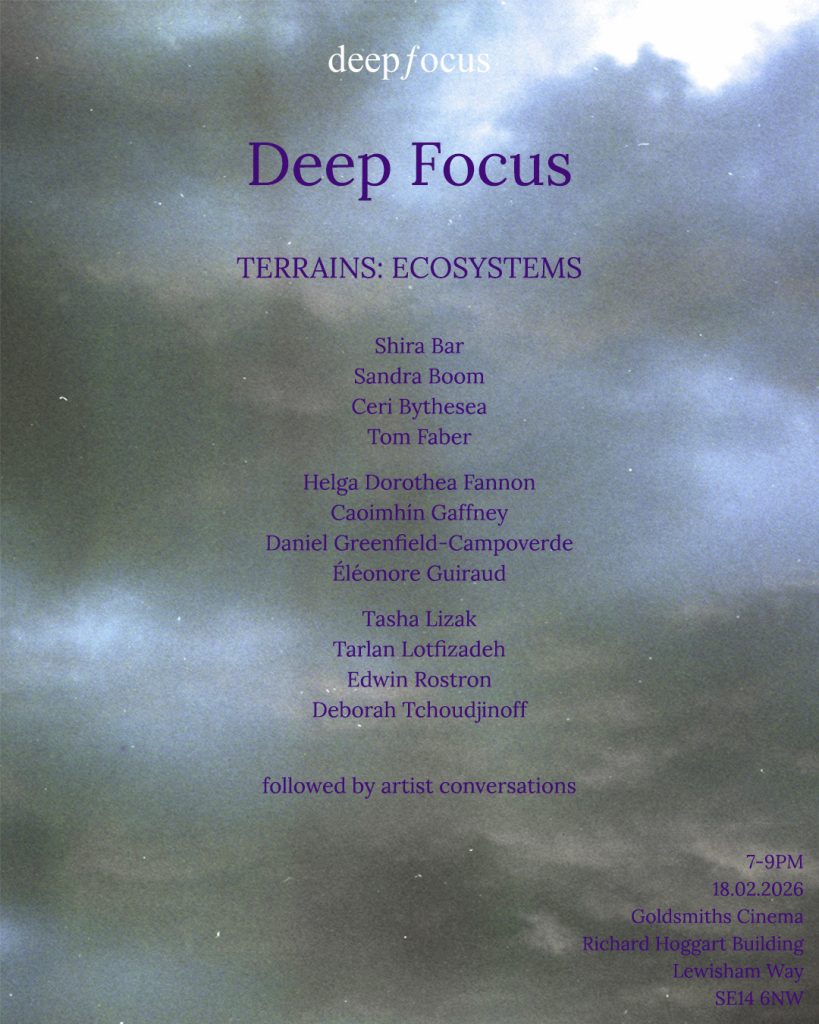
Deep Focus presents their next artist film and video screening on Wednesday 18 February 2026. Ecosystems is the first screening in the Terrains series and will be held at the cinema within Goldsmiths, showcasing films that investigate links between subject, culture and territory.
All at Once Collapsing Together, book published by the Butler Gallery
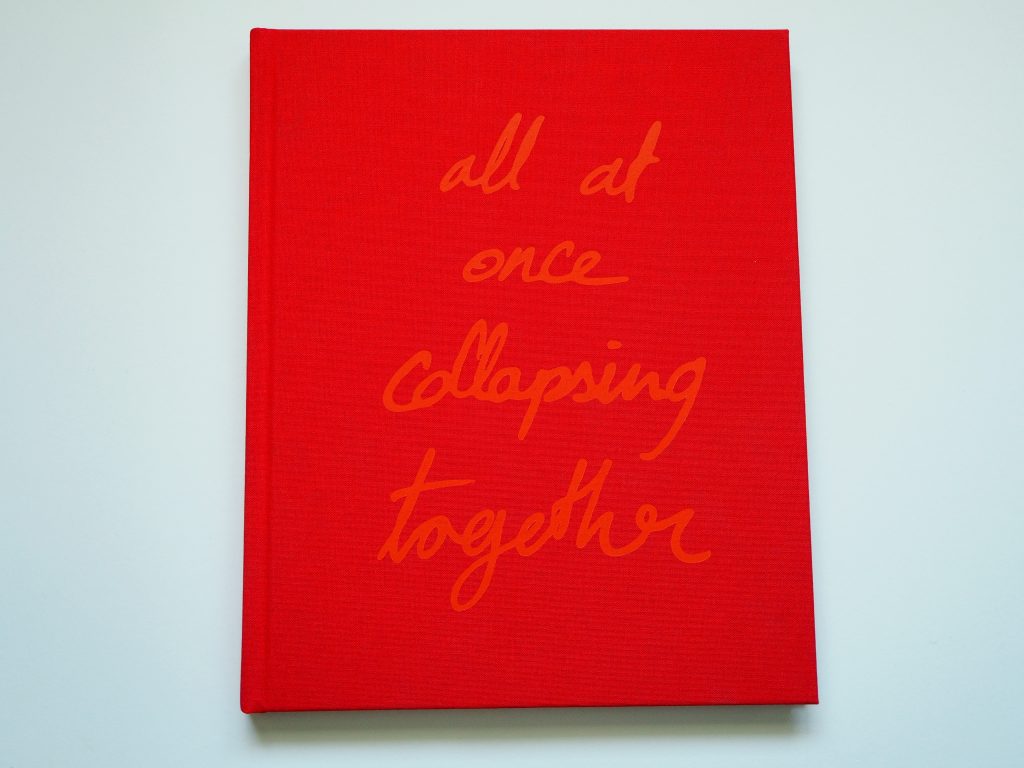
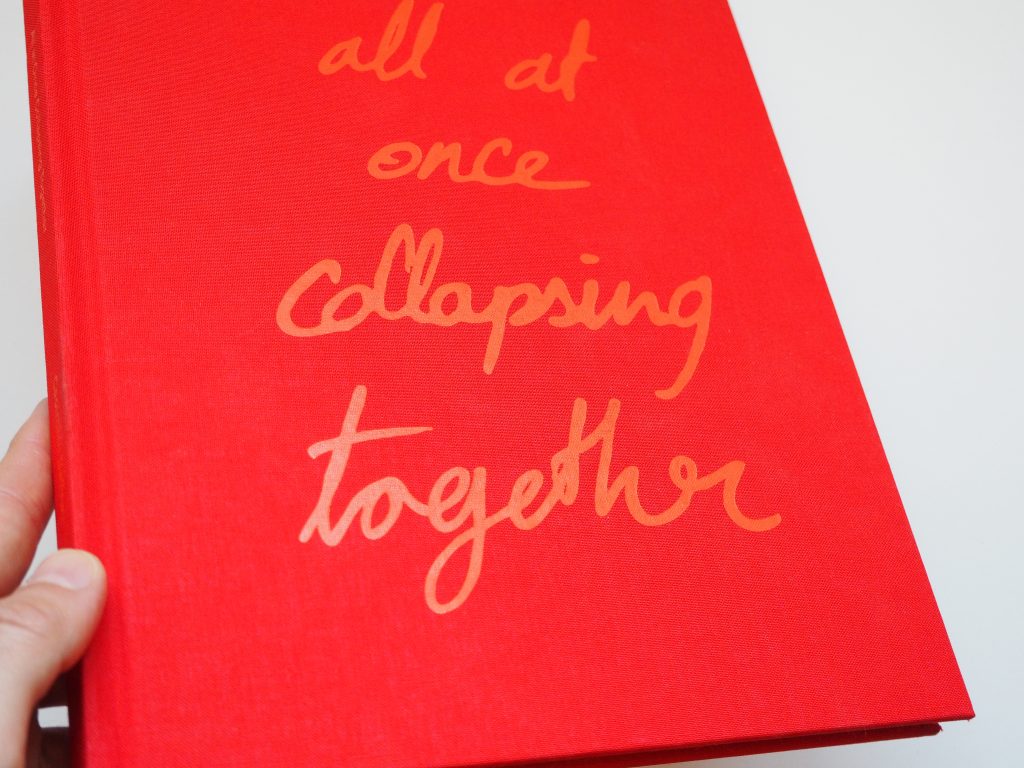
96 pages. 22 x 27cm. Hardback, cloth-bound, four colour printed.
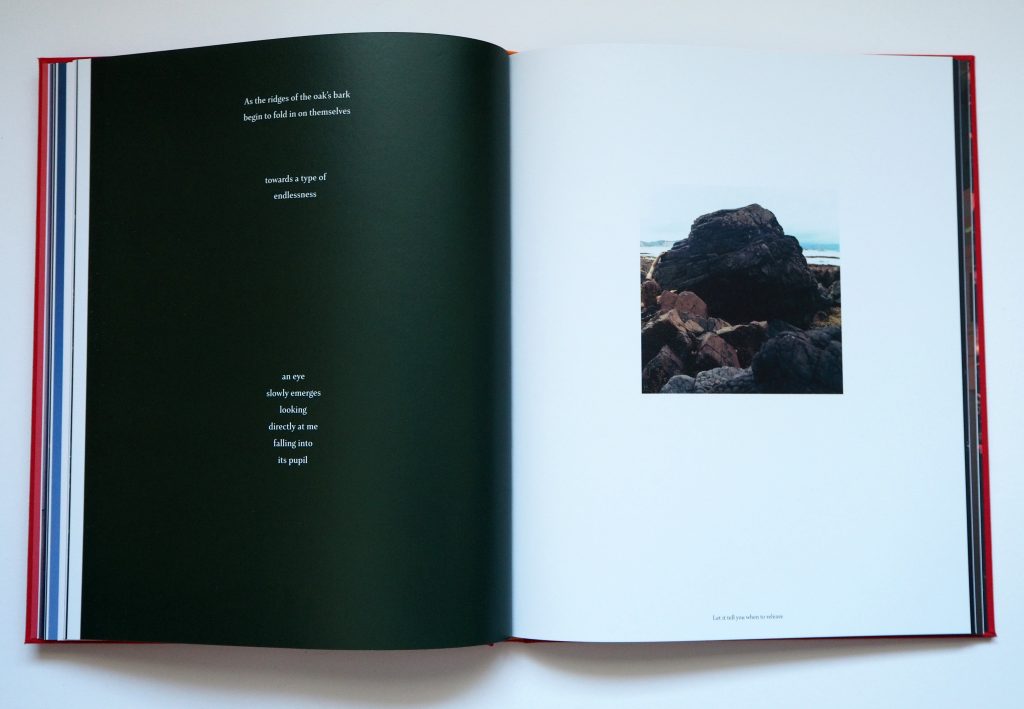
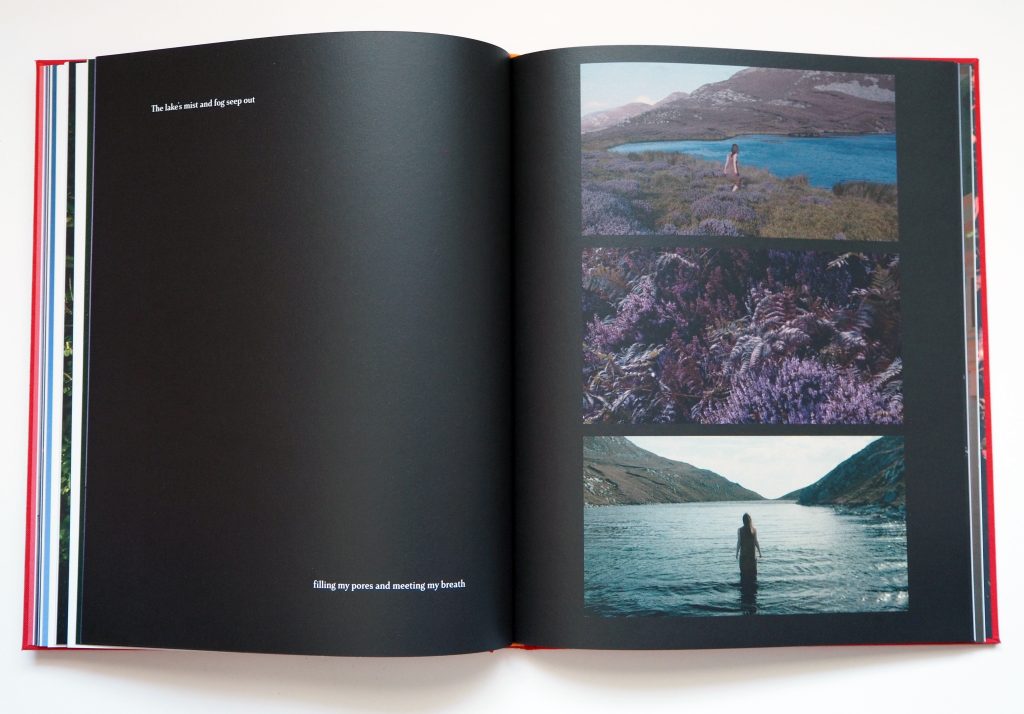
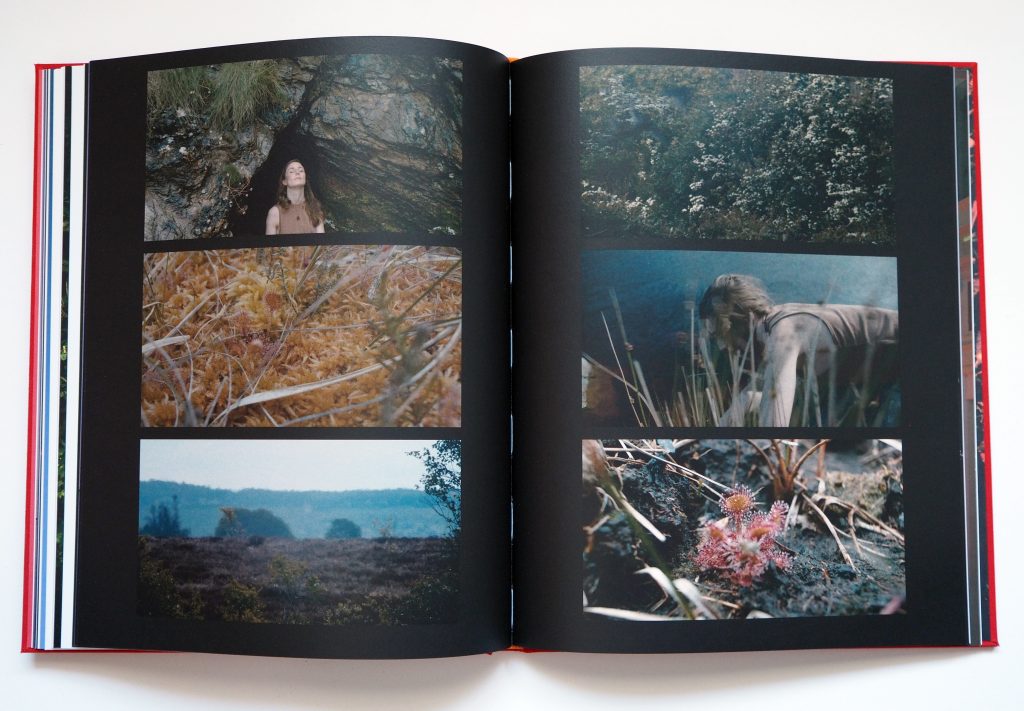
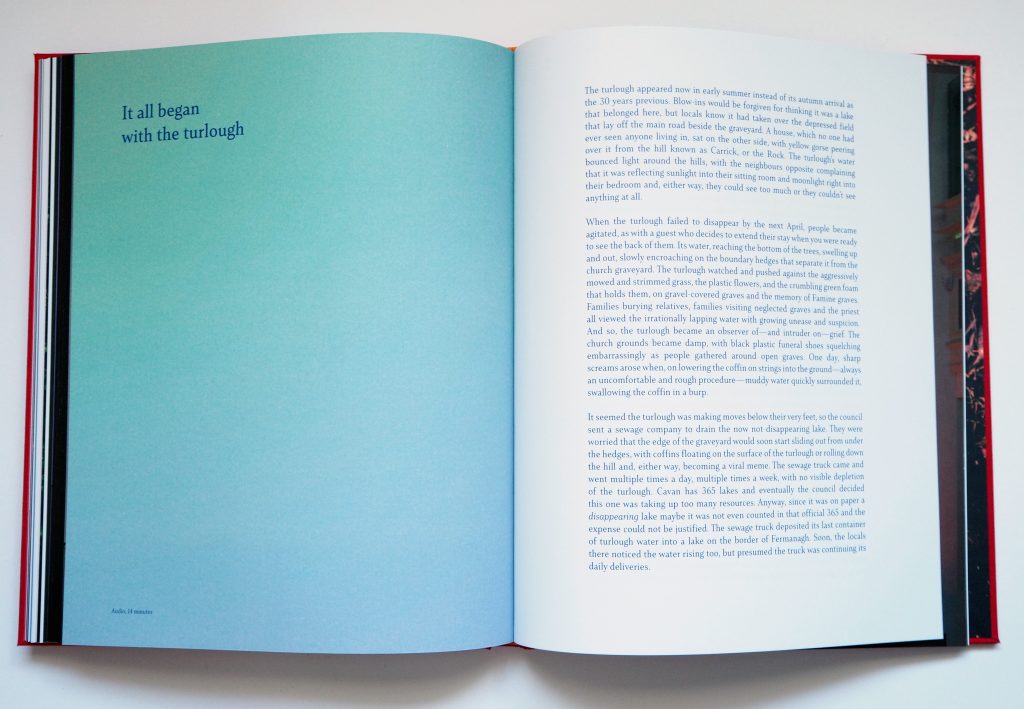
All at Once Collapsing Together is a monograph of Caoimhín Gaffney’s work across film, photography and writing, which uses fiction to imagine new ways of relating to the natural world. Published by the Butler Gallery, and designed by Alex Synge, All at Once Collapsing Together encapsulates and translates the various elements of Gaffney’s work into book form, with the book being an integral part of the project from its inception.
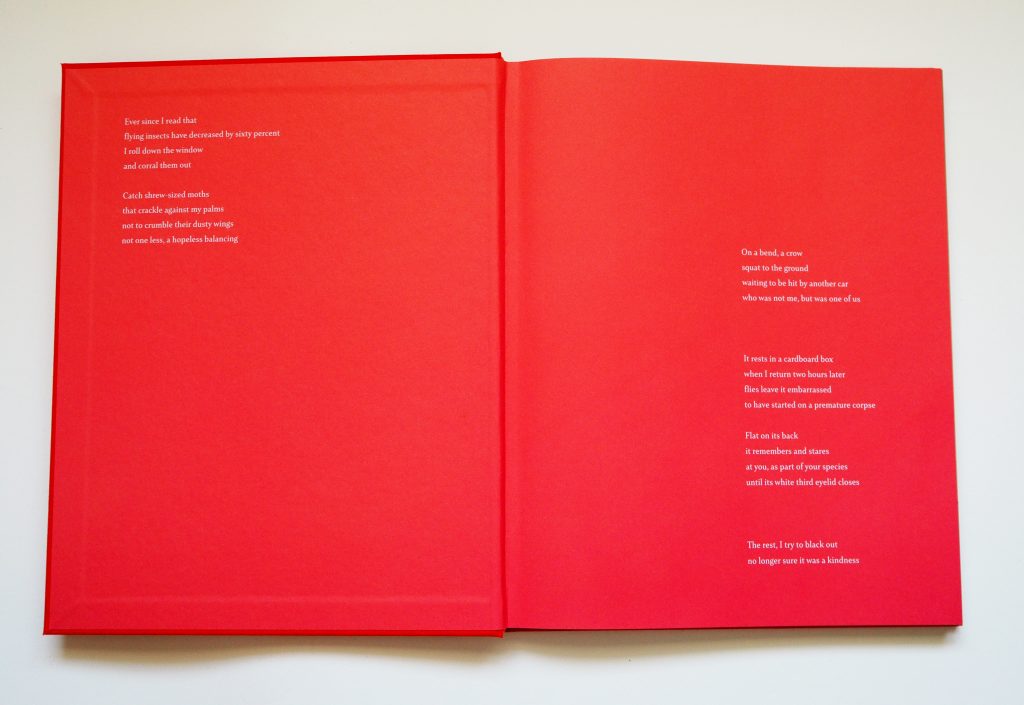
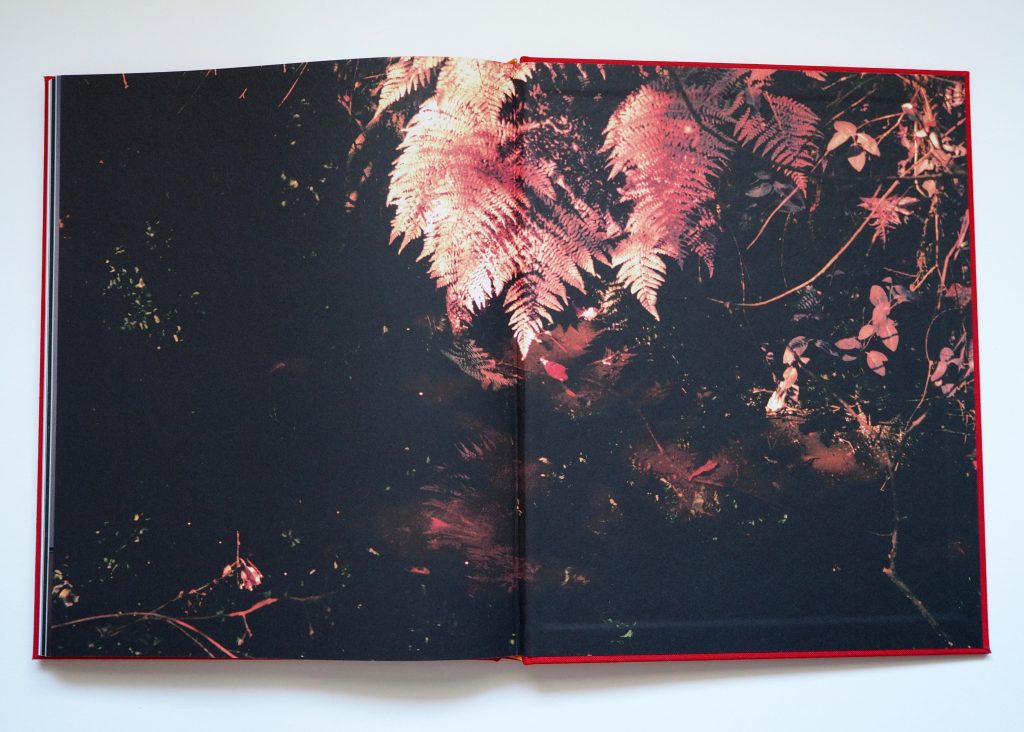
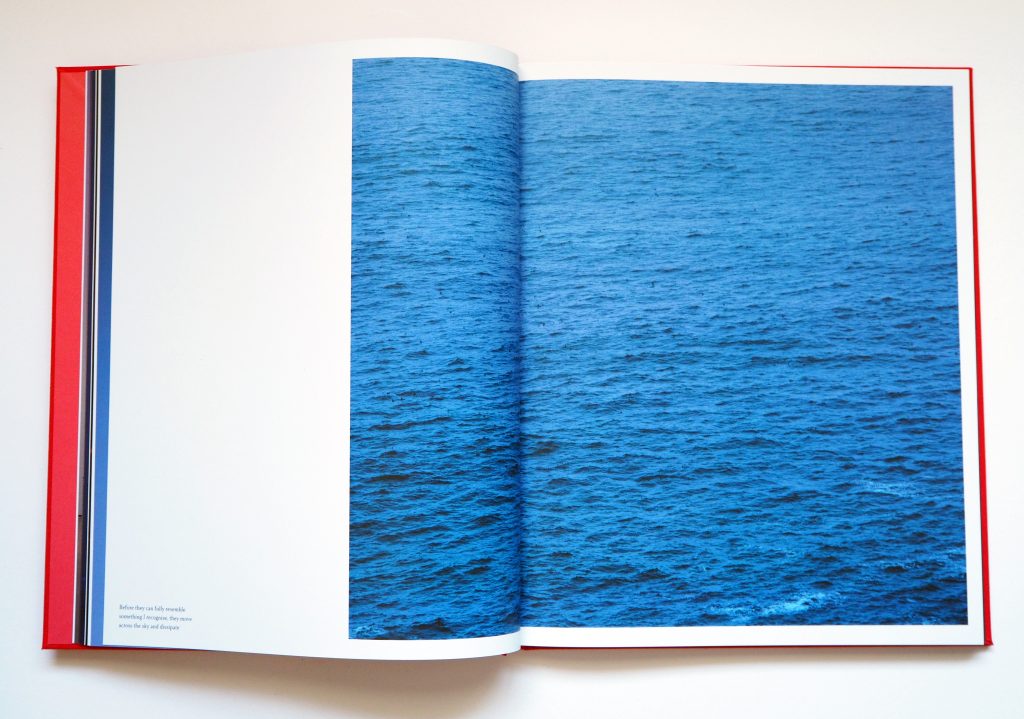
Medium-format photographs capture diverse colour in the Irish landscape and try to reflect the respite it offers us- but what remains unphotographable is the decline in certain bird populations. An image of Ireland’s largest lake acts as a memory: being taken in 2022, before the lake’s ecosystems collapse was visible. Speaking with – and against – the images are text pieces in the form of poetry and short stories. These reflect on the relief from trauma that immersion in the natural environment can bring but, because it is in distress itself, questions are raised for the protagonists about their sense of self and their place in the ecosystem. In the film, images and text unfurl across the two screens with fragmented depictions of the human figure trying to become part of the ecosystem again.
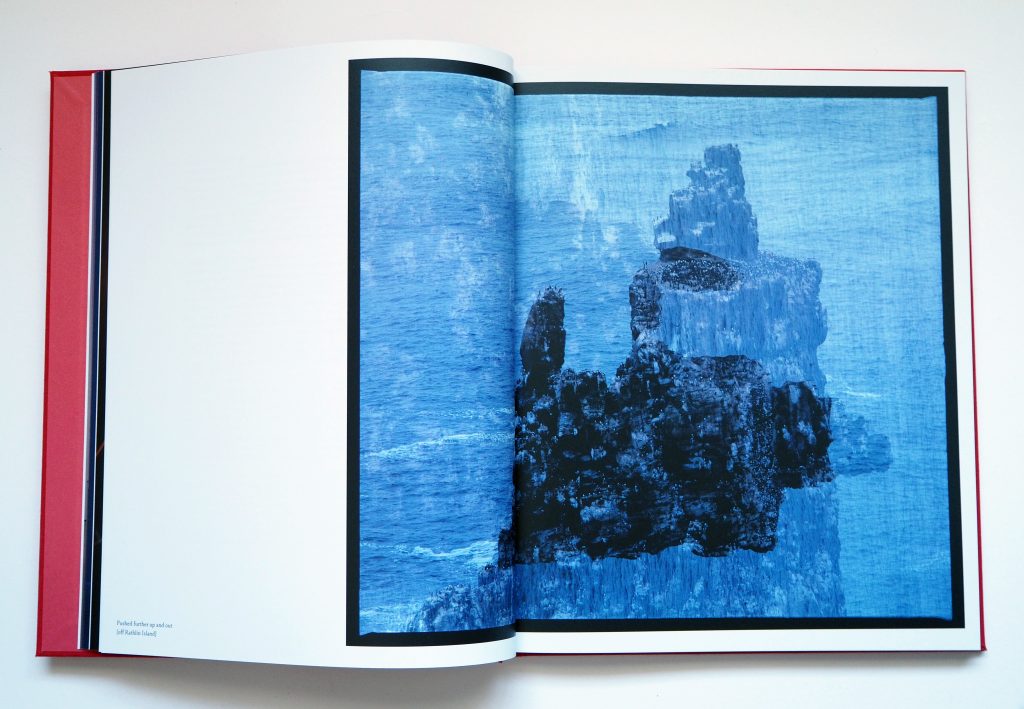
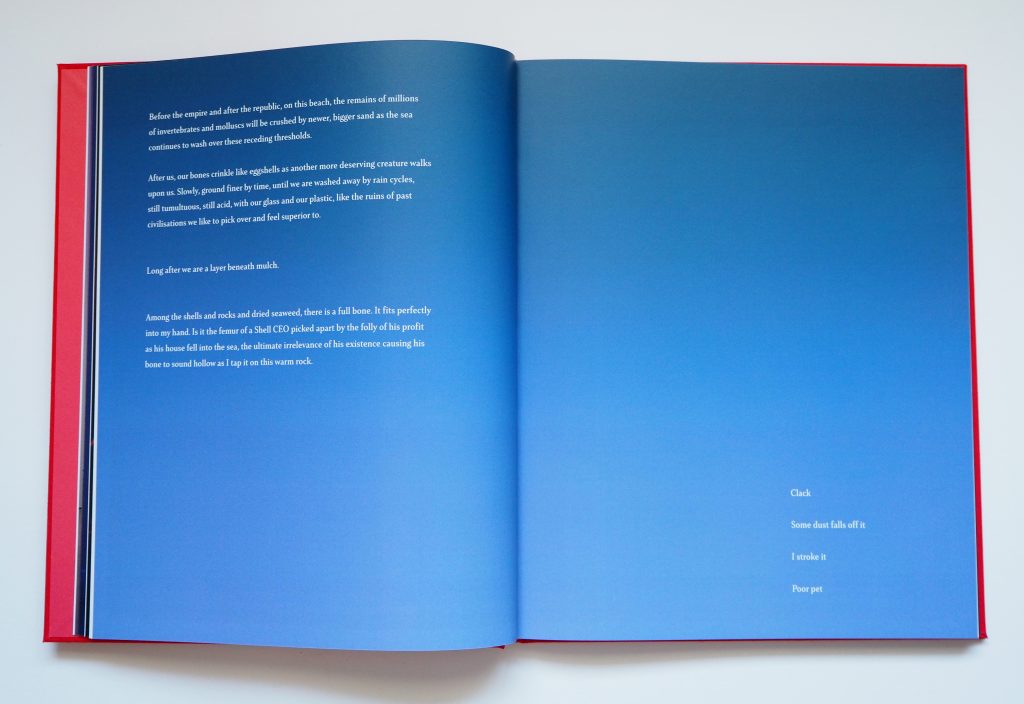
Exhibited text pieces were re-designed to work within the book’s framing, and the cadence of the two-screen film is visualised across still images- with the script formatted as it is performed and spoken. Context and reflection on the work is provided in an introduction by Anna O Sullivan, Director and Chief Curator of the Butler Gallery, and an essay by writer, curator and art historian Pádraic E. Moore.
Published as part of an Arts Council national touring exhibition in Ireland, which travelled to the Highlanes Gallery and Uillinn: West Cork Arts Centre. It is the artist’s second monograph, with Unseen by my Open Eyes published by Black Dog London in 2017.
Purchase online or in person from the Butler Gallery, the Highlanes Gallery or Uillinn: West Cork Arts Centre.
Or from the Library Project in Dublin.
To be spat back out at GOMA
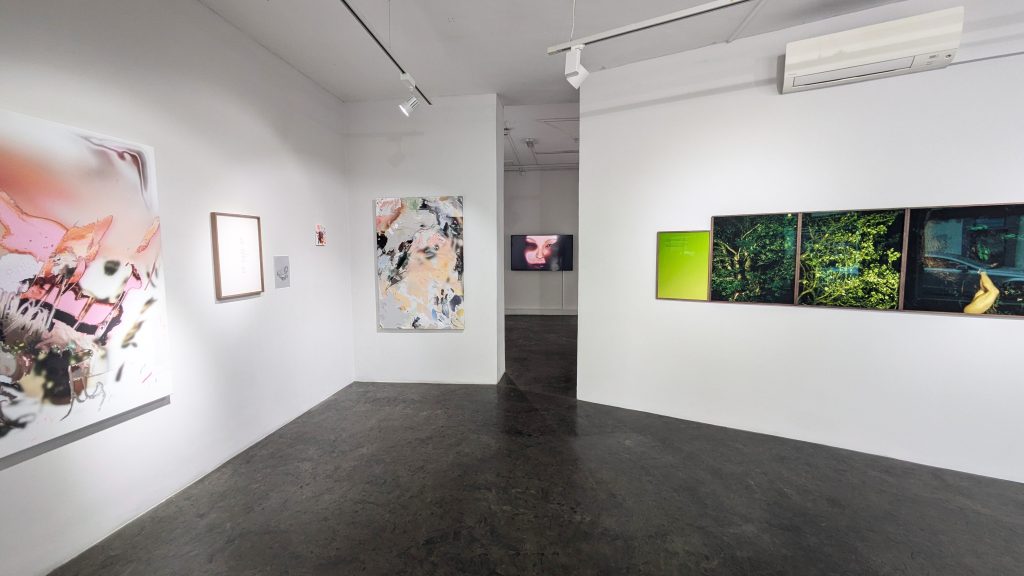
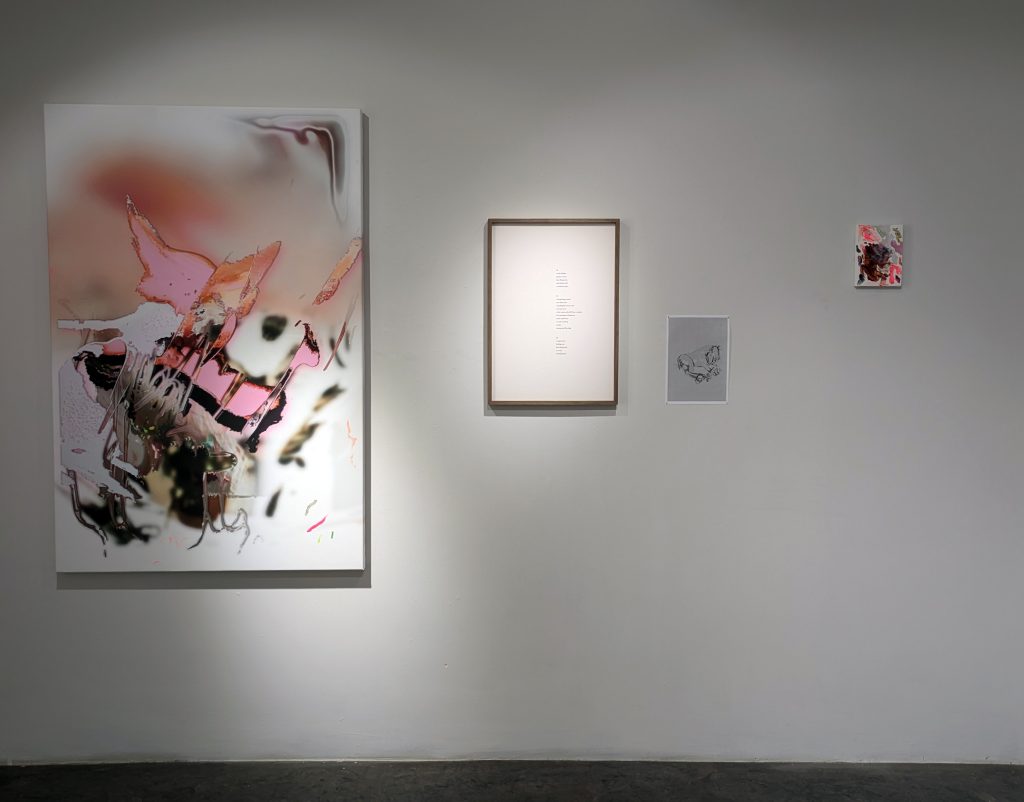
To be spat back out is a three-person exhibition by Bassam Issa Al-Sabah, Jennifer Mehigan and Caoimhín Gaffney, where individual and collaborative practices overlap and interact across world building (fiction and CGI), world destroying (climate change) and worlds colliding (queer networks, and traumatic experiences that interrupt the present as spectres). Emerging out of their conversations and exchange of skills across the various technologies in their work, the images, objects, and animations they produce are often oriented towards the presentation of climate change in the media, with each artist exploring how ideas of ‘nature’ can be re-examined from a postcolonial and queer perspective.
To be spat back out revels in waste and excess, examining the expressions of excessive emotions as a queer strategy of resistance. Through storytelling, images and texts, reality bends to a breaking point; mirroring how trauma distorts, remakes and retells lived experience in its own image. The legacy of colonialism is examined as a material component of the climate crisis, and how the binary dynamics of indoor/outdoor and private/public spaces fail to imagine what is possible in the present.
Situated in relation to their practices, the exhibition employs non-linear storytelling, poetry, surreality, virtual reality, and daydreaming, growing into a new unpredictable formation as a collective body of work.
Opening at GOMA Waterford on Saturday 26 July, 4–6pm.
The exhibition will run from Saturday 26 July – Saturday 23 August 2025.
Supported by
