
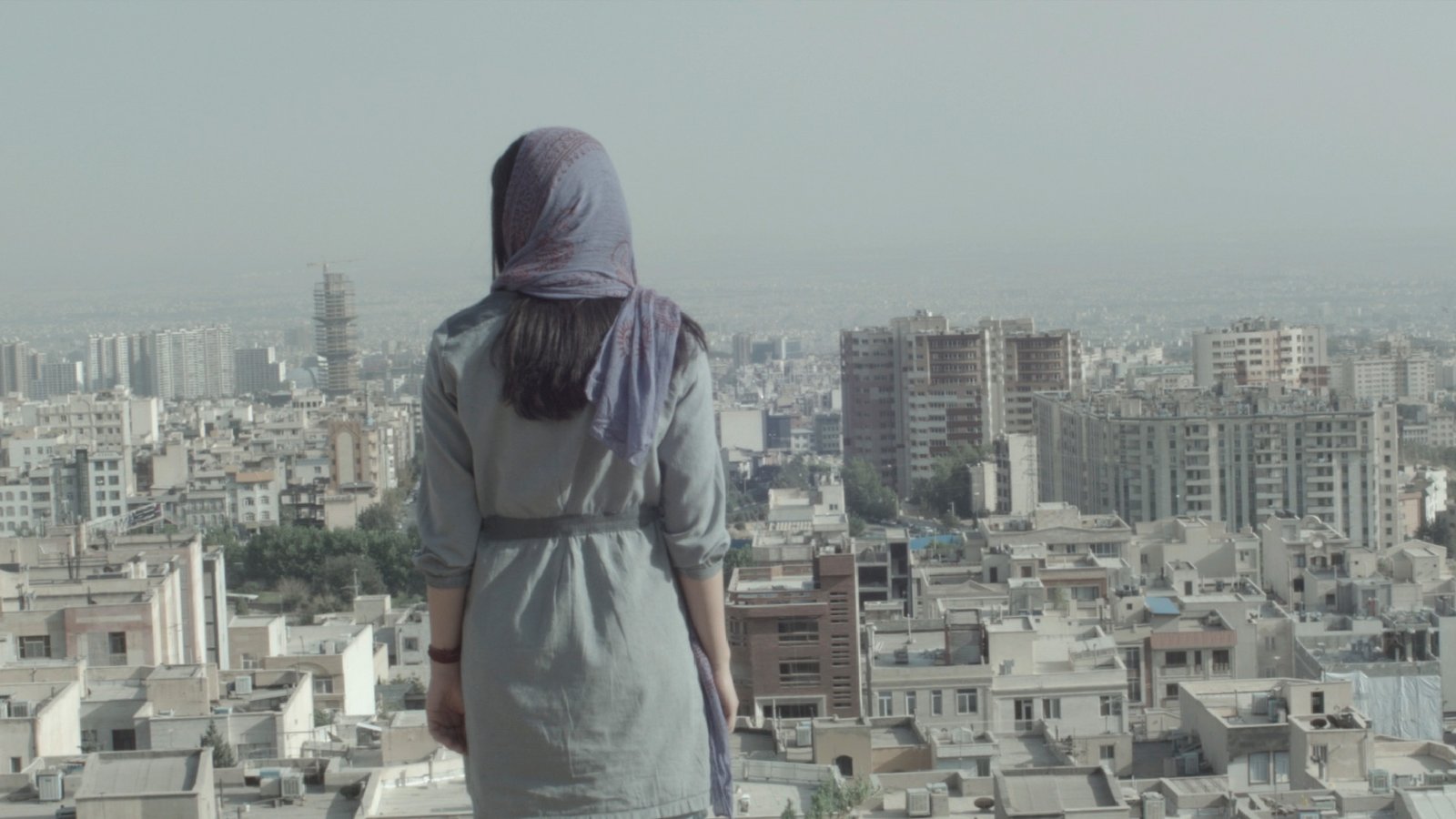
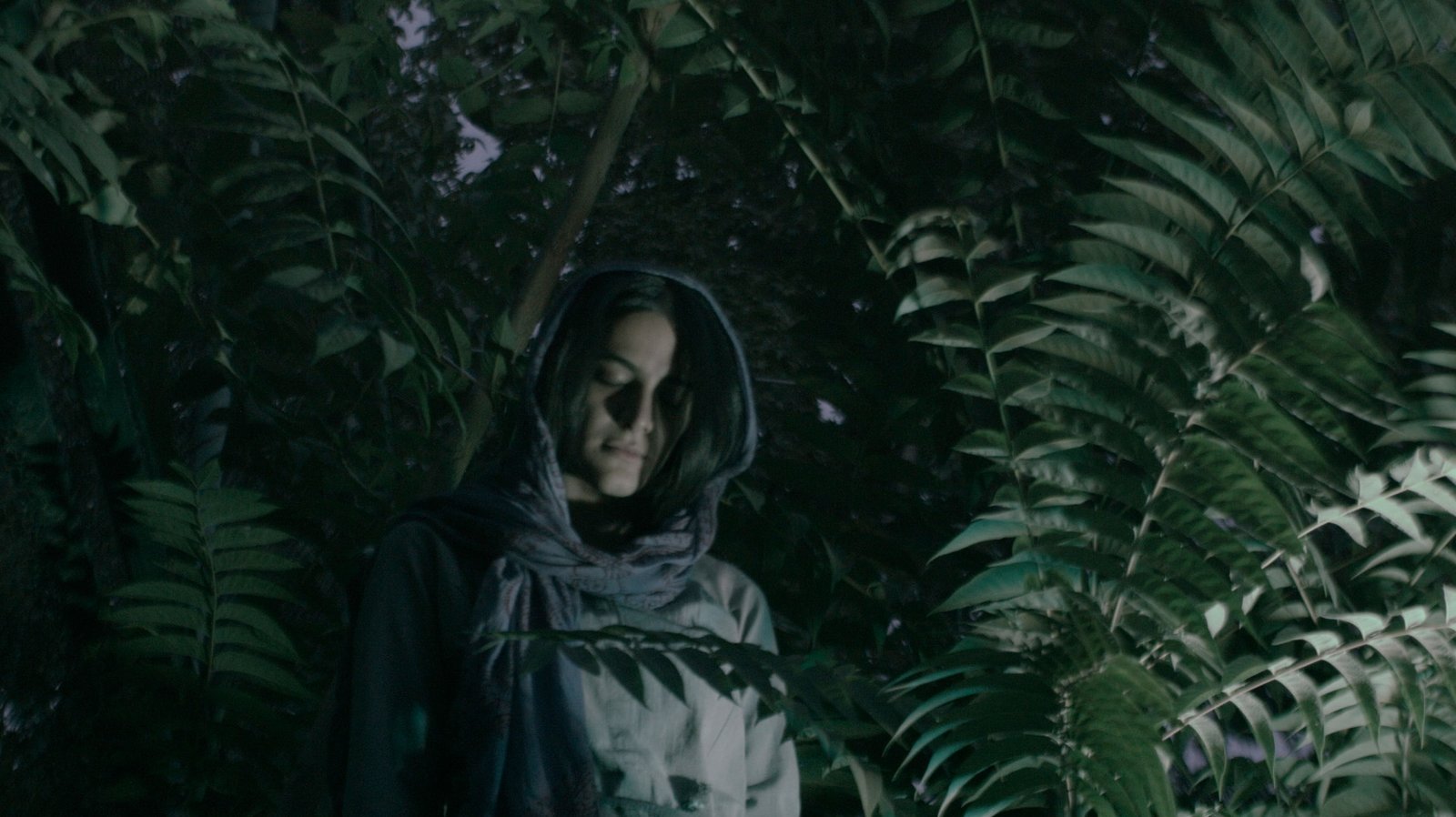
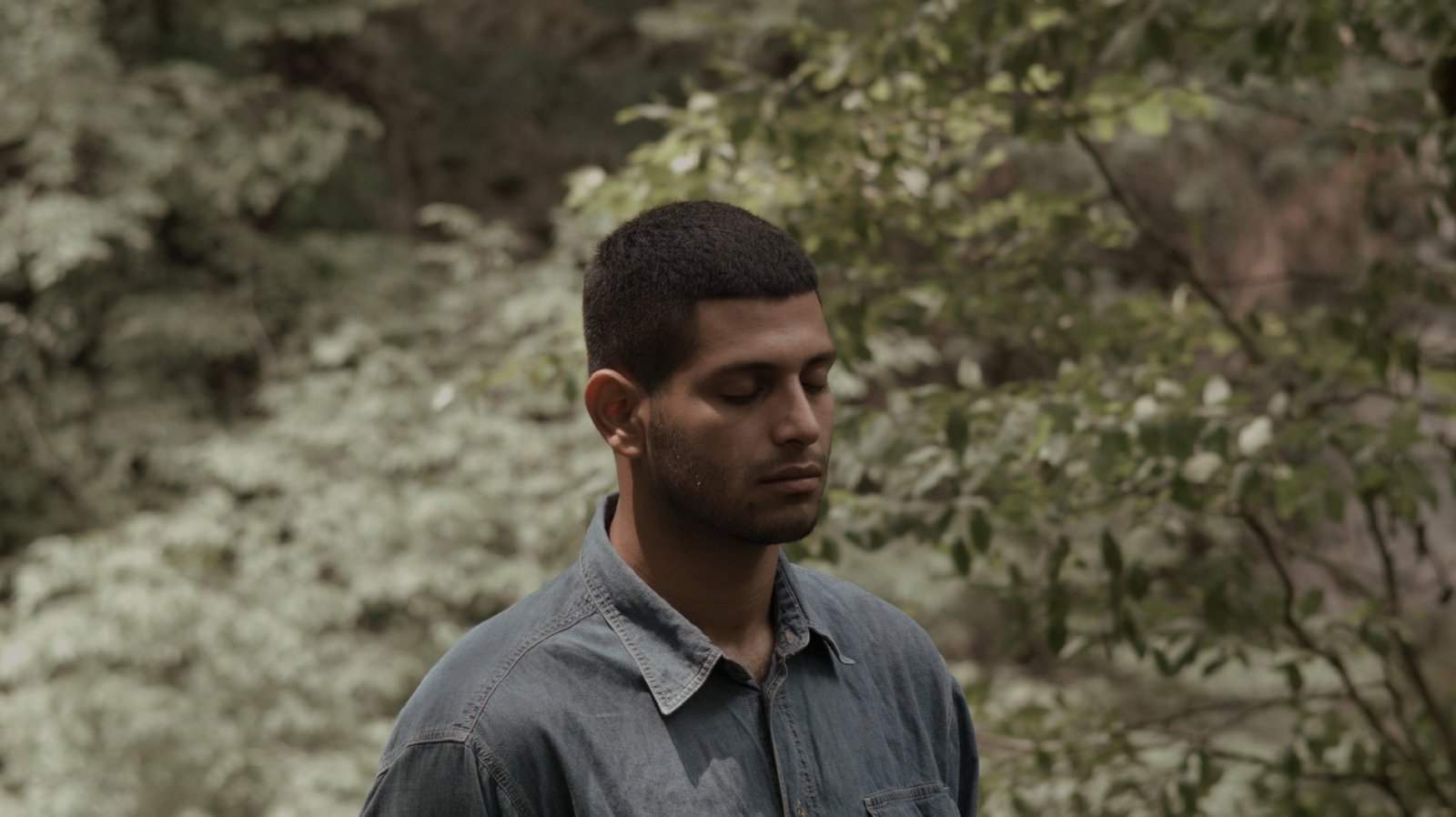
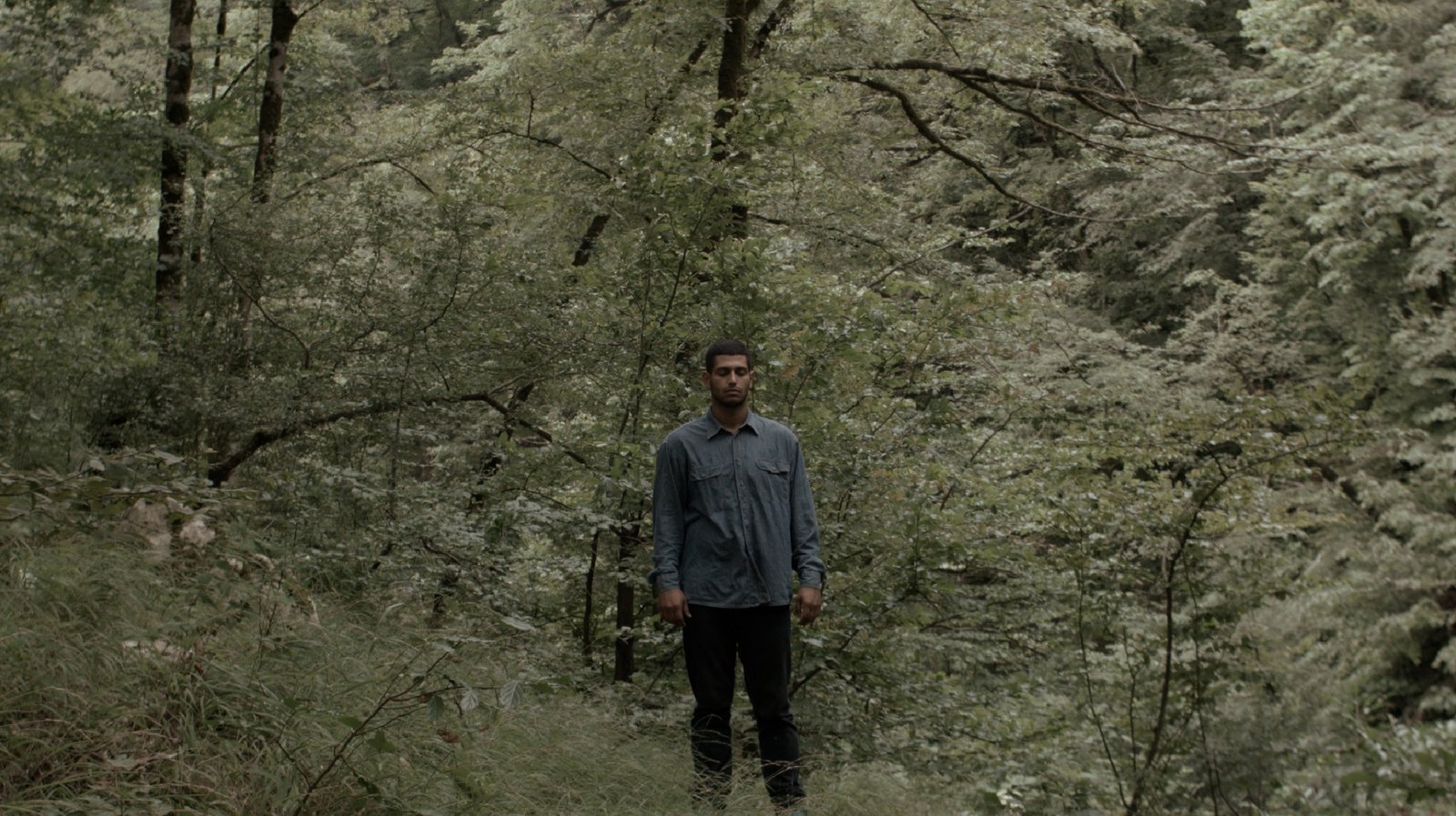
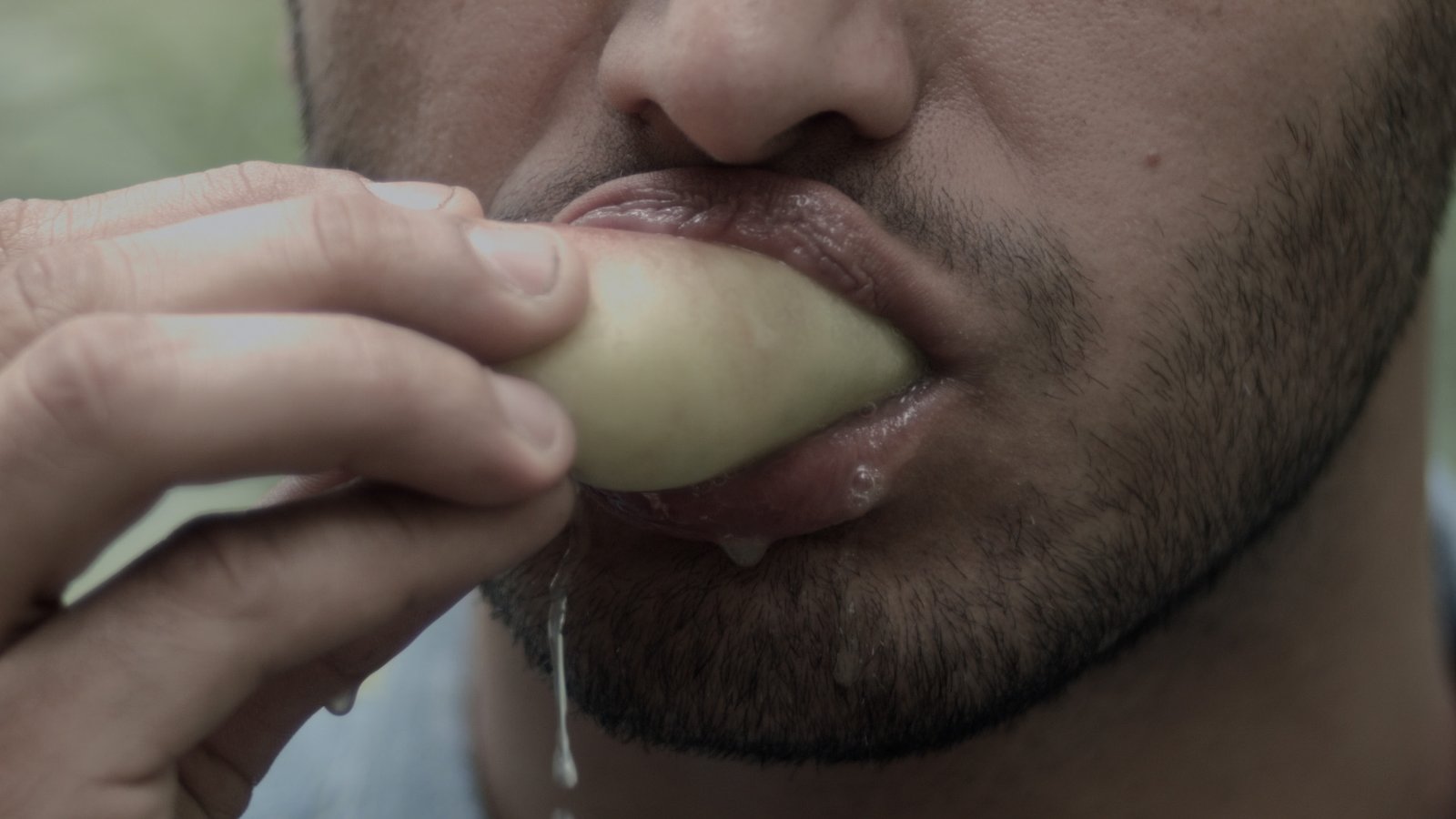
The mirror is dark and inky (5mins 38sec, Persian with English subtitles) was filmed on location in Tehran and northern Iran as part of the Kooshk Artist Residency Award. Images of daily life in Tehran float by: driving through the city on the hot afternoon, playing board games with friends.
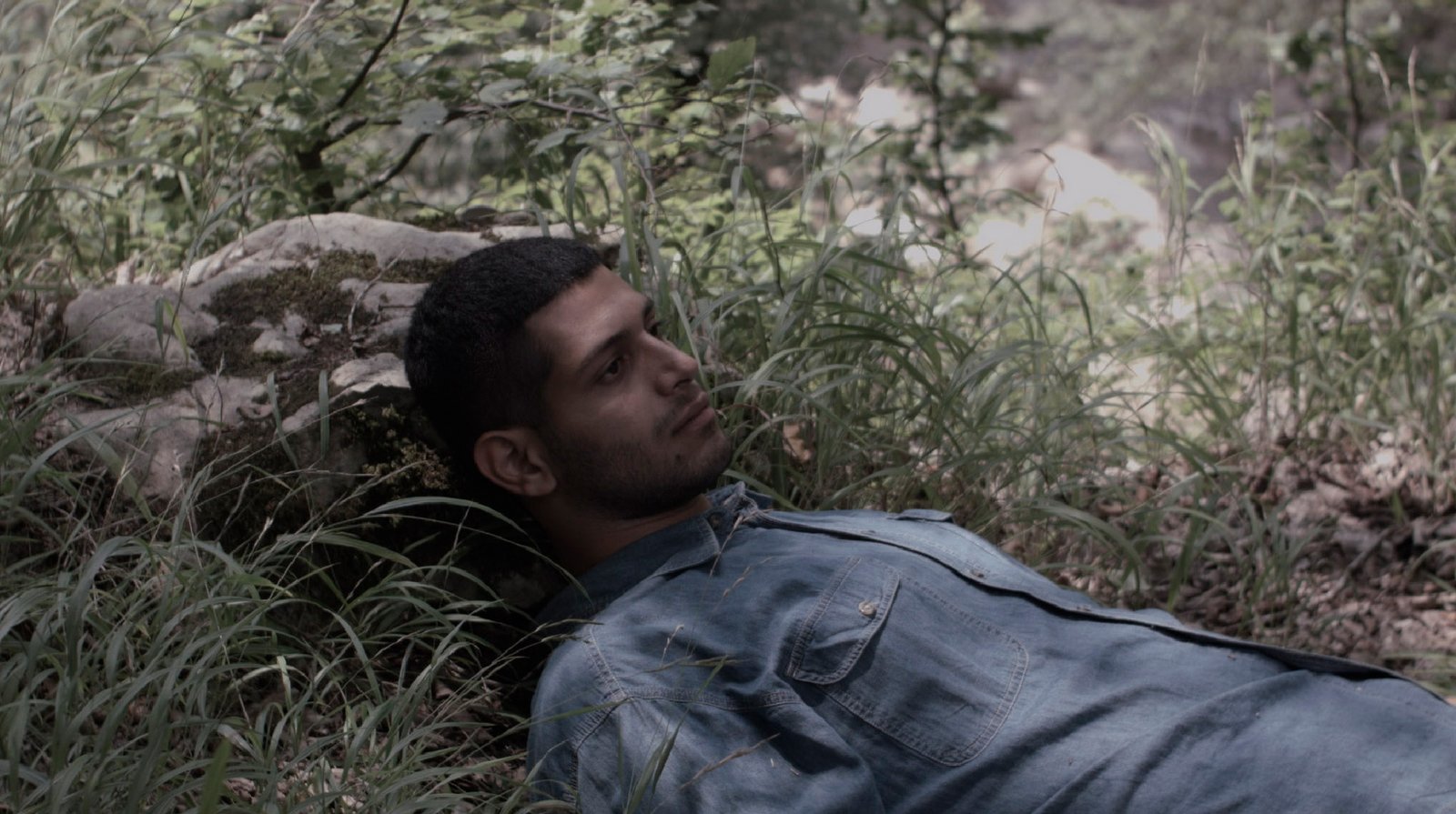
Meanwhile, the narrator tells a story of a neighbour concerned about a whale that lives in a bath in her apartment building. AsThe mirror is dark and inky progresses, we leave the city behind and move into the forest in northern Iran, where the narration turns inwards to a “feeling that does not come from my brain, it more erupts and descends like a fog, barely perceptible until it is enveloping, with a similar cold, dewy feeling.”
The whale sits in the bathtub, reflections mirrored in its eyes, and the mirror is dark and inky.
Block 336, London
Curated by Kathleen Soriano. 11-12.2017.
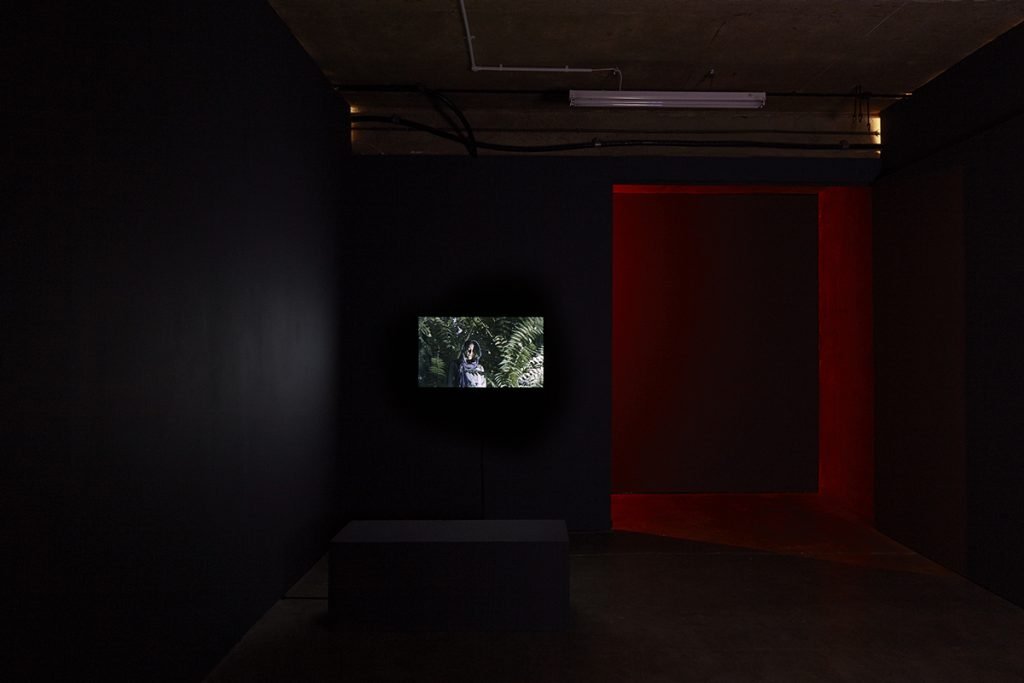
Mohsen Gallery, Tehran
07.2015
Millennium Court Arts Centre
12.2016-02.2017
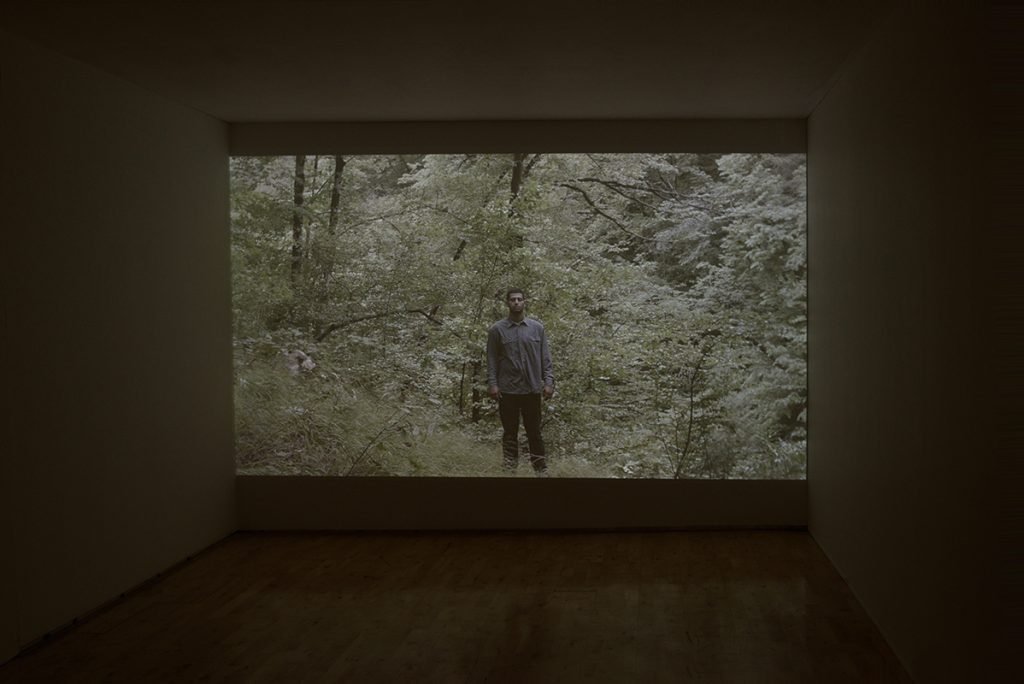
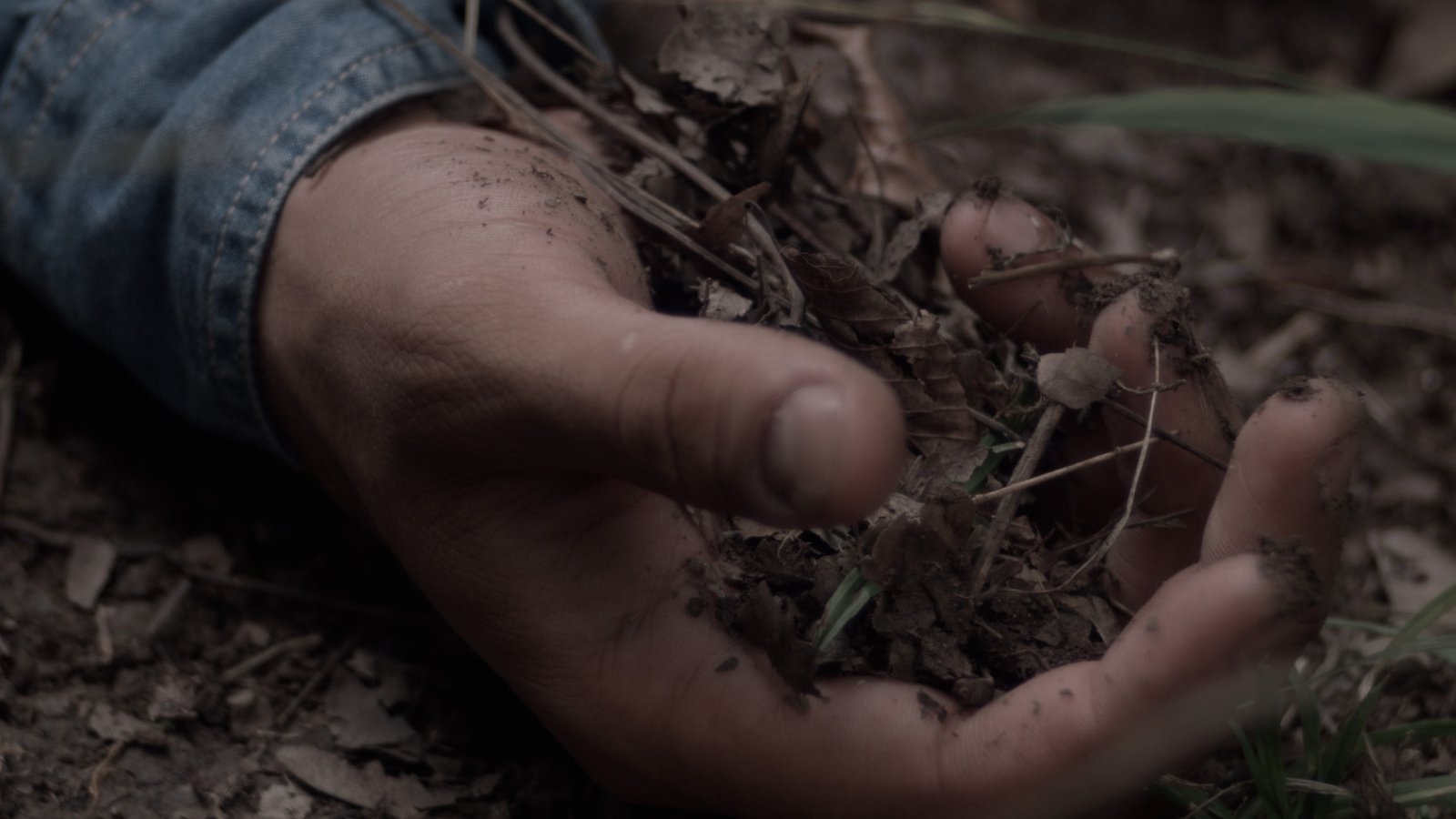
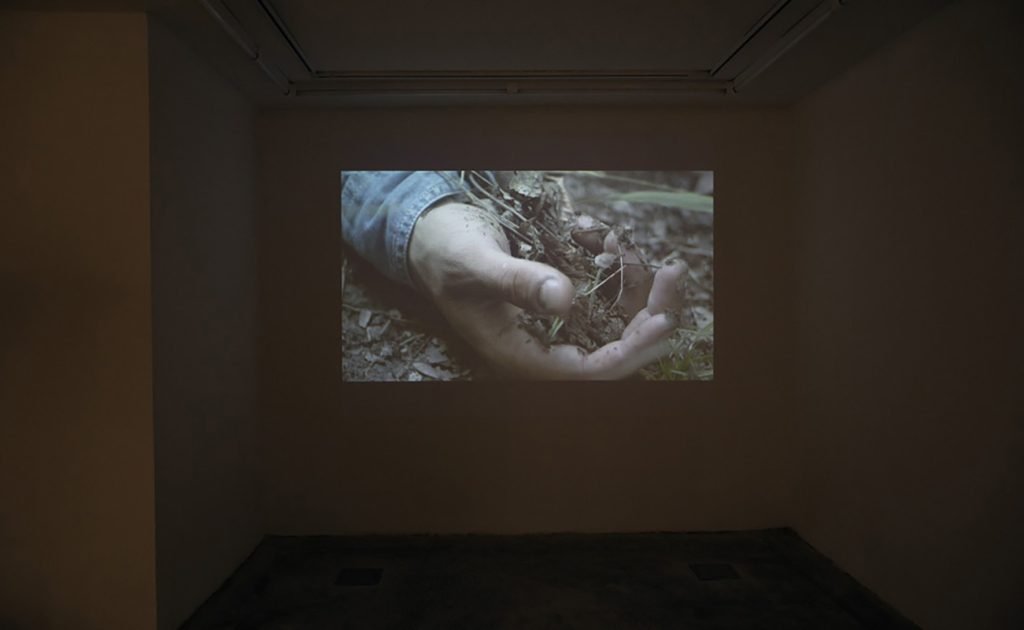
“In The mirror is dark and inky, 2015, a young woman surveys Tehran from a distant height, is driven around the city in silence, or curls up in an armchair, remaining aloof from the group of friends who chatter sociably around a board game close by. The interior monologue we overhear, which may or may not be hers, tells a tale of awkward interspecies closeness with a melancholic whale with whom the speaker shares a small tub in a triangular bathroom within the confines of her apartment. This testimony gradually gives way to that of an even more introspective young man, alone in secluded woodland, though a significant run over in the soundtrack obscures the distinction between their respective inner voices. He, too, speaks of nested enclosures (the figure of the Russian doll is invoked) and he, too, is a bundle of desire, guilt and sadness, as he imagines slowly dissolving into a morass in which the bounds between man and encompassing nature—the cockroach, mosquito and worm he speaks of in turn, or the clutch of leaves, grass and soil he holds in his open hand—no longer count for much.”
“The mirror is dark and inky juxtaposes images of daily life in Iran with the surreal concerns of a woman whose bathtub is inhabited by a whale. These works aggregate the personal, social, local and universal, denying the totality of fully understanding or representing that which is other and thereby allowing differences and inconclusions to coexist. They position language as an access point to interior worlds and a departure point from which to begin exploring unknown realities. […] Their works consider what it means to exist in duality: human and animal, protagonist and subject, seperate and together, dissolving and solidifying from one into the other.”
Alissa Kleist, Play Like Coyote, essay in Curriculum: Contemporary Art Goes to School, edited by Jennie Guy, published by Intellect, 2020.
Created on residency with the support of the Kooshk Artist Residency Award.